Sideloading patched applications bypasses Apple's strict App Store sandbox vetting process, introducing distinct vulnerabilities. Security Vulnerabilities
The most common method for patching an iOS app without rebuilding it from the source code is . Developers write a custom library containing code designed to hook into existing functions of the application using frameworks like Cydia Substrate or CaptainHook. This library is placed inside the IPA package, and the application's main binary is modified to load this custom dylib upon startup. Cryptographic Resigning
This public link is valid for 7 days and shares a thread, including any personal information you added. This link or copies made by others cannot be deleted. If you share with third parties, their policies apply. Can’t copy the link right now. Try again later. ams1gn ipa patched
Once signed, the app is pushed over-the-air (OTA) or downloaded directly to the device, allowing it to bypass Apple's App Store entirely. Security Risks and Best Practices
Sideloading on iOS requires a bridge between unofficial application packages and Apple's strict operating system permissions. To understand why "ams1gn ipa patched" is a highly searched topic, it helps to break down the individual components: This library is placed inside the IPA package,
If you're looking to get started, I can help you of the installer or explain how to troubleshoot a "Unable to Verify" error. How to self-sign IPAs so they never expire? The legal differences between sideloading and pirating?
You cannot simply rename an .apk to .ipa and expect it to run; the binary code is incompatible. If you share with third parties, their policies apply
For the average user, running a command-line script to patch their own IPA files is daunting. It requires knowledge of the codesign command, entitlements, and provisioning profiles. Pre-patched IPAs democratize this technology. You simply download the file, install it, and theoretically, you are good to go.
This is the cryptic core. While not a standard dictionary word, in iOS modding circles, ams1gn refers to a specific cryptographic signature bypass or a certificate injection tool . The "gn" suffix often suggests a "generation" or "engine" related to signature anonymization. It is likely a reference to a specific script or tool used to re-sign an IPA after patches have been applied, spoofing Apple’s verification system.
Many popular social media apps and streaming clients are filled with unskippable ads. Patched IPAs inject ad-blocking tweaks directly into the app runtime.
: Apple regularly bans enterprise certificates, causing apps to instantly crash until resigned.
Buy and sell
cryptocurrencies.
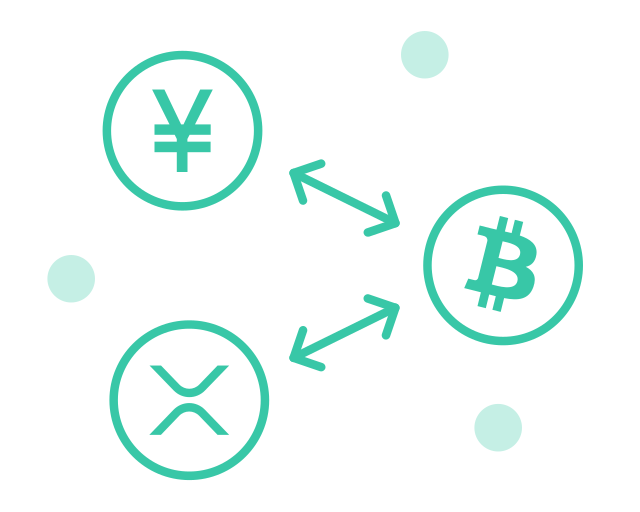
Buy and sell cryptocurrency for as little as 500 JPY 24/7.
Transfer & Deposit
funds instantly
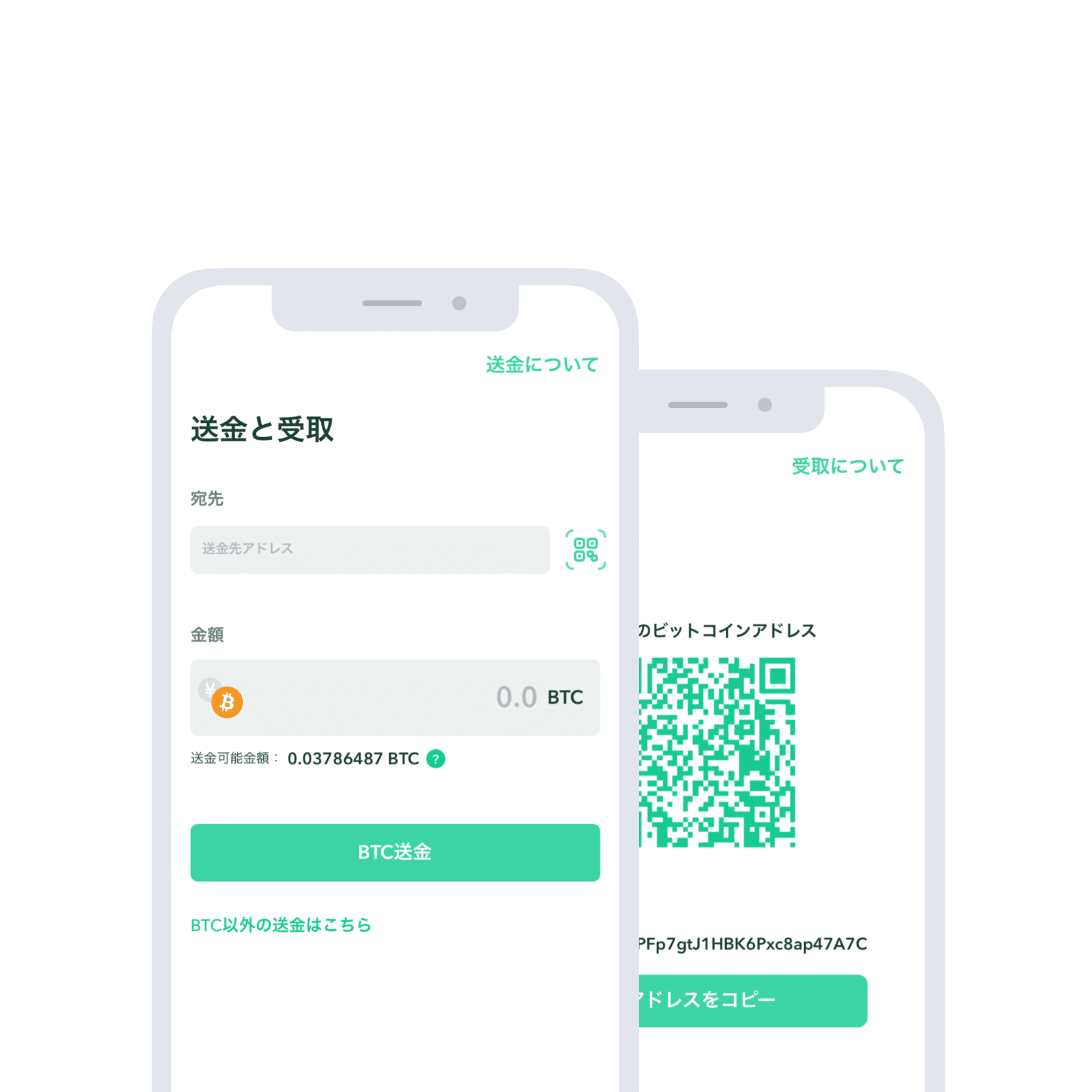
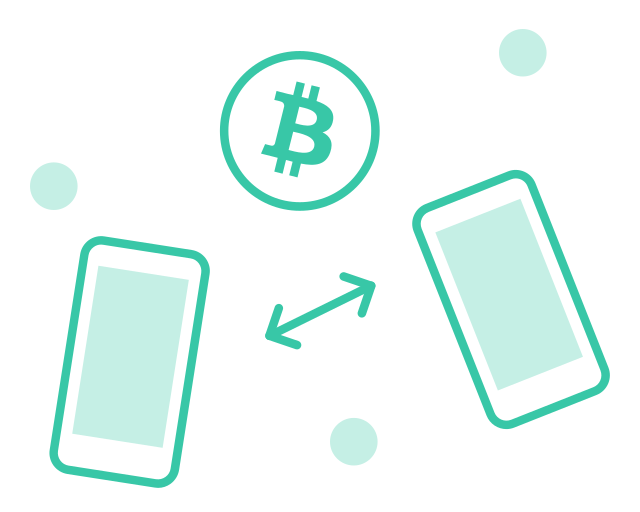
If you have the address, you can send cryptocurrencies to anywhere in the world, instantly. You can also display your QR code to receive coins immediately.
Use our Trade View
for professional
quality trading
Use the Coincheck Trade View in the browser to trade Bitcoin with no transaction fees.
Use Trade View
Block trades at
favorable rates* available for
large transactions
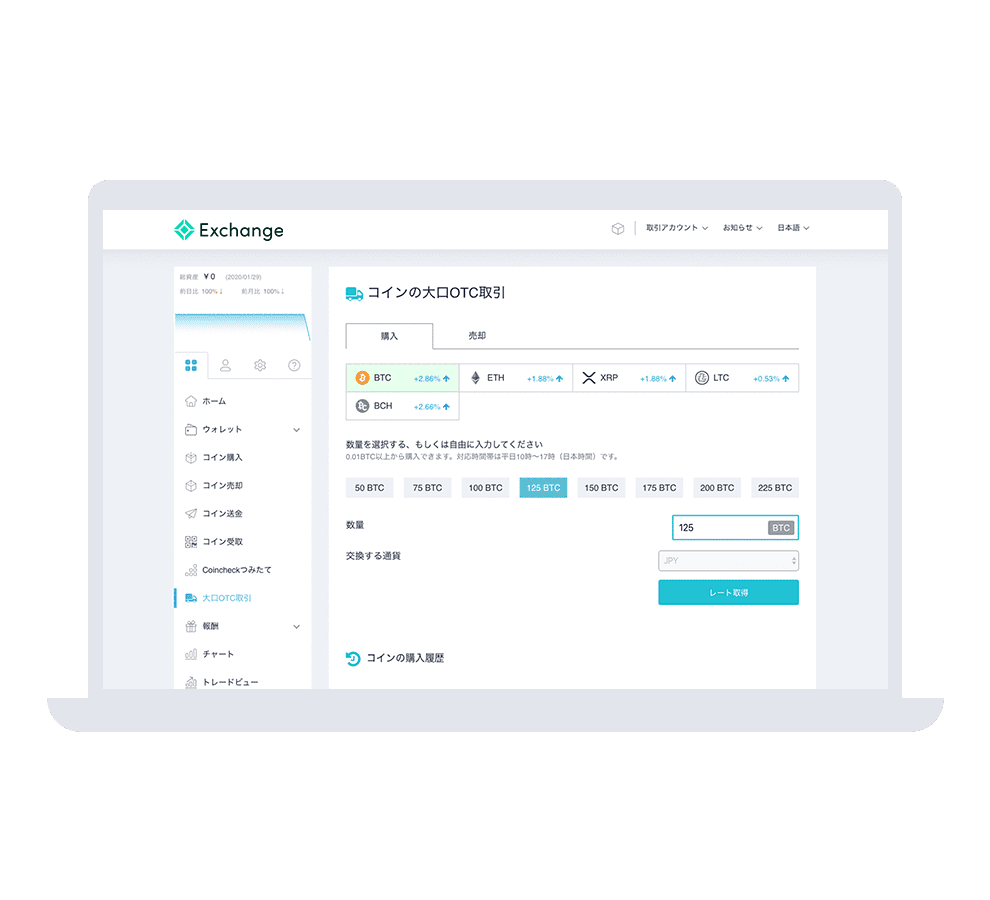
During applicable weekday hours, use block trades to make large transactions at premium prices.*There may be times when prices are comparable to the regular marketplace
Learn more
Trade safely and securely
Cold Wallet
Customer assets are secured offline, providing top level security.
System security
We've confirmed the security and efficiency of our systems with multiple information security firms from around the world.

Two-Factor Authentication
Coincheck requires users to perform Two-Factor Authentication during login, helping you protect your account from malicious third parties with both a password and your phone.
Sideloading patched applications bypasses Apple's strict App Store sandbox vetting process, introducing distinct vulnerabilities. Security Vulnerabilities
The most common method for patching an iOS app without rebuilding it from the source code is . Developers write a custom library containing code designed to hook into existing functions of the application using frameworks like Cydia Substrate or CaptainHook. This library is placed inside the IPA package, and the application's main binary is modified to load this custom dylib upon startup. Cryptographic Resigning
This public link is valid for 7 days and shares a thread, including any personal information you added. This link or copies made by others cannot be deleted. If you share with third parties, their policies apply. Can’t copy the link right now. Try again later.
Once signed, the app is pushed over-the-air (OTA) or downloaded directly to the device, allowing it to bypass Apple's App Store entirely. Security Risks and Best Practices
Sideloading on iOS requires a bridge between unofficial application packages and Apple's strict operating system permissions. To understand why "ams1gn ipa patched" is a highly searched topic, it helps to break down the individual components:
If you're looking to get started, I can help you of the installer or explain how to troubleshoot a "Unable to Verify" error. How to self-sign IPAs so they never expire? The legal differences between sideloading and pirating?
You cannot simply rename an .apk to .ipa and expect it to run; the binary code is incompatible.
For the average user, running a command-line script to patch their own IPA files is daunting. It requires knowledge of the codesign command, entitlements, and provisioning profiles. Pre-patched IPAs democratize this technology. You simply download the file, install it, and theoretically, you are good to go.
This is the cryptic core. While not a standard dictionary word, in iOS modding circles, ams1gn refers to a specific cryptographic signature bypass or a certificate injection tool . The "gn" suffix often suggests a "generation" or "engine" related to signature anonymization. It is likely a reference to a specific script or tool used to re-sign an IPA after patches have been applied, spoofing Apple’s verification system.
Many popular social media apps and streaming clients are filled with unskippable ads. Patched IPAs inject ad-blocking tweaks directly into the app runtime.
: Apple regularly bans enterprise certificates, causing apps to instantly crash until resigned.