


What the mind thinks,
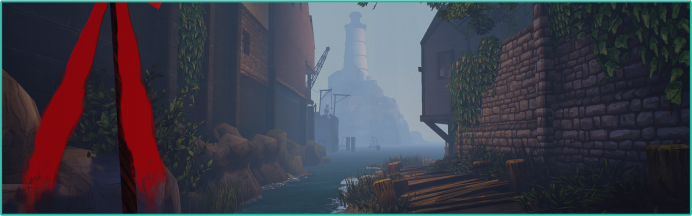
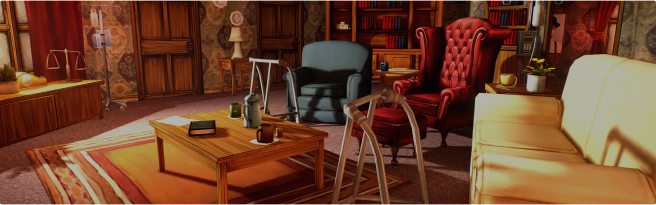
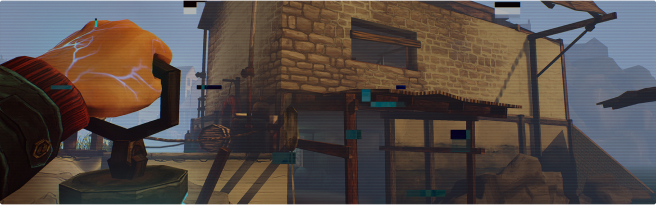
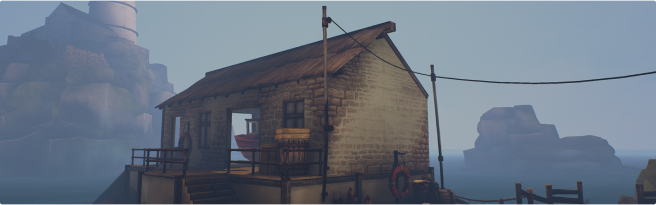
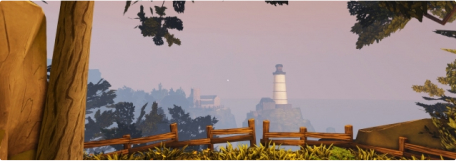
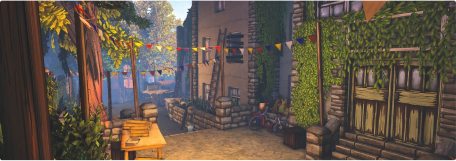
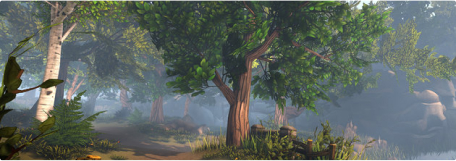
Ether One is a first person adventure that deals with the fragility of the human mind.
There are two paths in the world you can choose from. At its core is a story exploration path free from puzzles where you can unfold the story at your own pace.
There is also a deeper, more adventurous path in which you can complete complex puzzles to restore life changing events of the patient's history in order to help the validation of their life.



If you want the raw, unvarnished daily life story of an Indian family, skip the living room. Go to the kitchen. It is the war room, the therapy center, and the gossip hub.
Young adults migrate to metro cities like Bengaluru, Mumbai, and Delhi for career opportunities. This has made nuclear families the new urban norm.
These stories—of the 6 AM chai, the shared auto-rickshaw, the Diwali argument, and the WhatsApp joke—are not exotic. They are mundane. But in that mundane chaos lies the greatest story of human civilization: the stubborn, resilient, and loving refusal to let go of each other.
A typical weekday in an urban Indian household is a masterclass in logistics. Domestic help often plays a crucial role in managing the household, creating a unique daily ecosystem of vendors, cooks, and cleaning staff who become extensions of the family narrative. desi sexy bhabhi videos better hot
The modern Indian family is a bridge between the 1950s and the 2020s. The grandparents grew up with joint families and arranged marriages . The teenagers grew up with Instagram and dating apps .
In urban areas, dual-income households are changing the family dynamic. Men are gradually participating more in kitchen duties and childcare, though the logistical burden of running a home still rests heavily on women.
In rural and semi-urban settings, the khandaan (lineage) remains central. A typical household includes grandparents, parents, uncles, aunts, and cousins. Decision-making is patriarchal, often vested in the eldest male ( karta ), while financial and domestic management may involve the eldest female. Children are raised communally; discipline comes from any elder, not just parents. If you want the raw, unvarnished daily life
This report explores the evolving landscape of Indian family life in 2025–2026, highlighting the transition from traditional joint family structures to modern, tech-integrated nuclear households.
. While traditional joint families—where multiple generations share resources and duties—remain a cultural cornerstone, urban lifestyles are increasingly shifting toward nuclear structures. Typical Daily Routine
India, a land of diverse cultures, traditions, and values, is home to a unique and vibrant family lifestyle that is woven into the very fabric of its society. The Indian family, often extended and multi-generational, is a cornerstone of Indian life, where relationships, respect, and love are deeply intertwined. In this write-up, we'll embark on a journey to explore the intricacies of Indian family lifestyle and daily life stories, revealing the beauty, challenges, and values that make Indian families so special. Young adults migrate to metro cities like Bengaluru,
Indian family life is a dynamic blend of deep-rooted collectivism and modern evolution
: Daily routines are often punctuated by religious or cultural rituals that provide a sense of continuity and shared identity.
When the world thinks of India, the images are often cinematic: the shimmering symmetry of the Taj Mahal, the chaotic choreography of Mumbai locals, or the vibrant spray of Holi colors. But to understand India, you must zoom in closer. You must walk through the narrow gali (lanes) of a residential colony, past the row of slippers outside a door, and listen.
Daily life intensifies during festivals like Diwali (lights and sweets), Eid (feasting and new clothes), or Pongal (harvest cooking). These events are not holidays but labor-intensive projects: cleaning, cooking 20 dishes, coordinating gifts. The stories from these days—burnt laddoos , a cousin’s prank, a grandfather’s tears of joy—become family folklore, retold for decades.
Indian families face a range of challenges, from economic struggles to social expectations. However, it is in the face of these challenges that Indian families demonstrate remarkable resilience and strength. Some common challenges include:
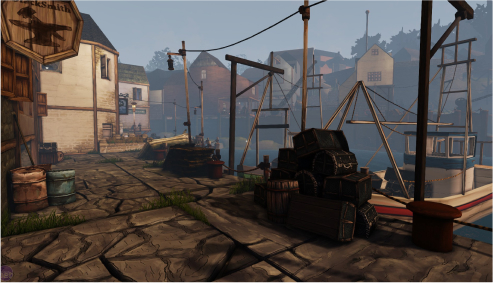
Unfold the story and explore freely without puzzle mechanics - immersing yourself wholly in the narrative
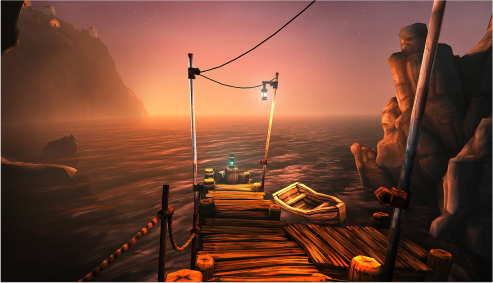
Restore the life-changing events & memories of a patient’s history through mind-bending puzzles
Join the White Paper mail to receive more information about our work.