


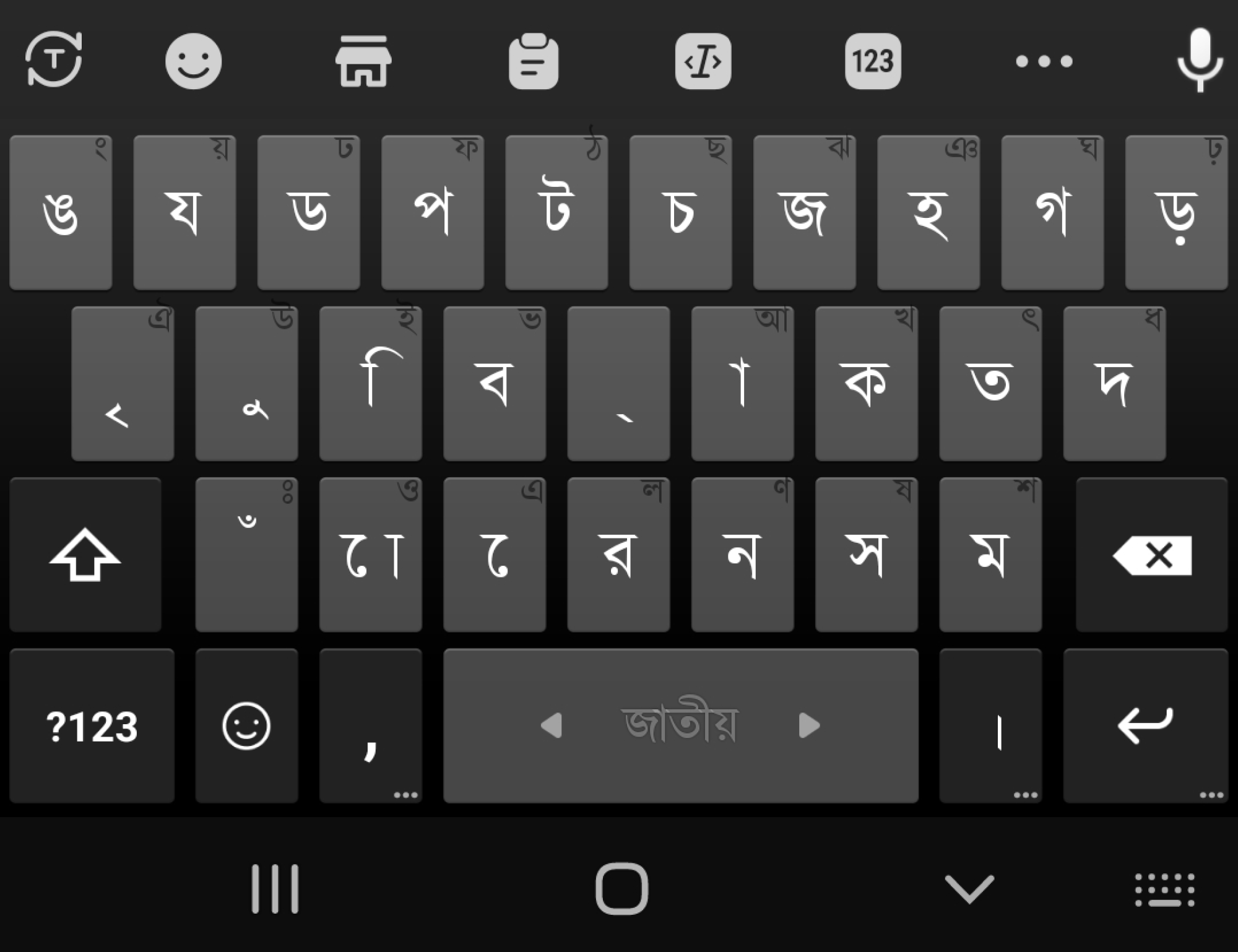
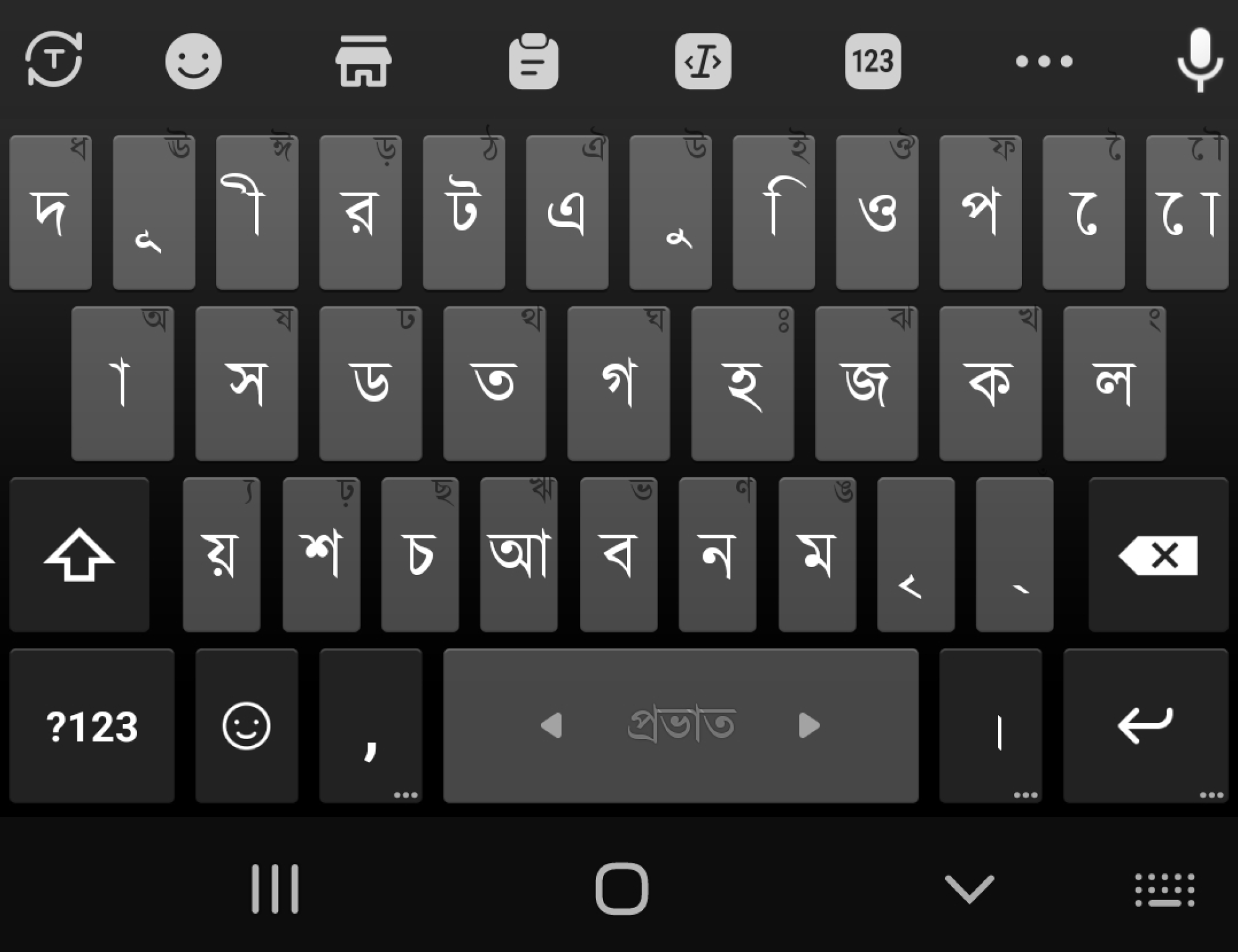


With predictive suggestions, voice typing...
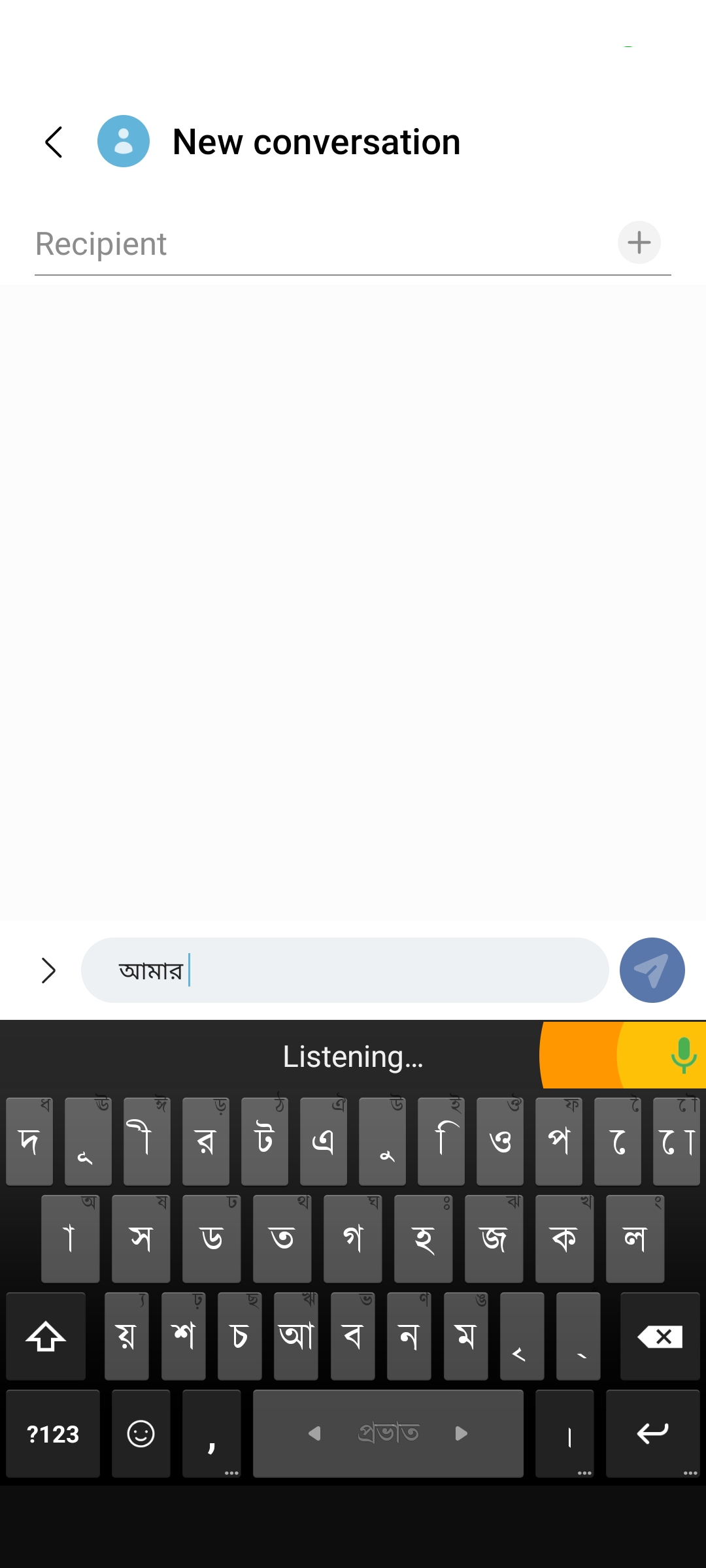
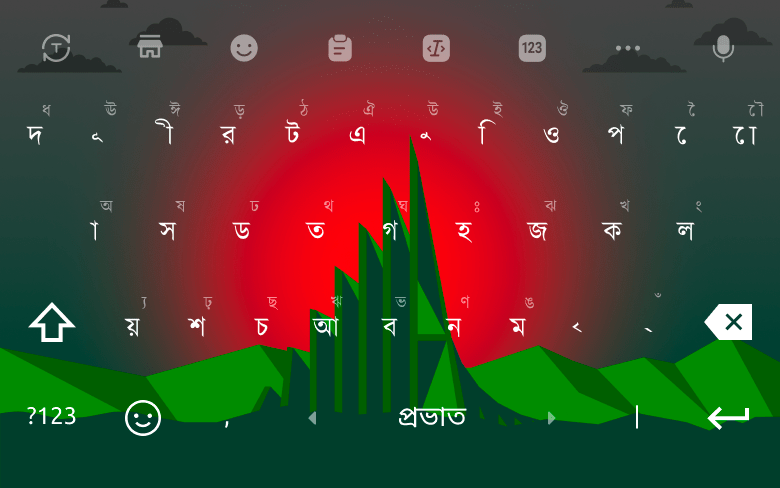
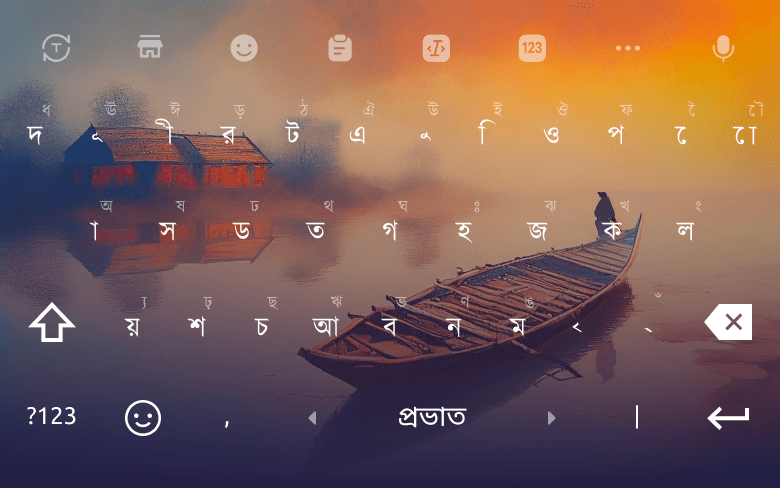
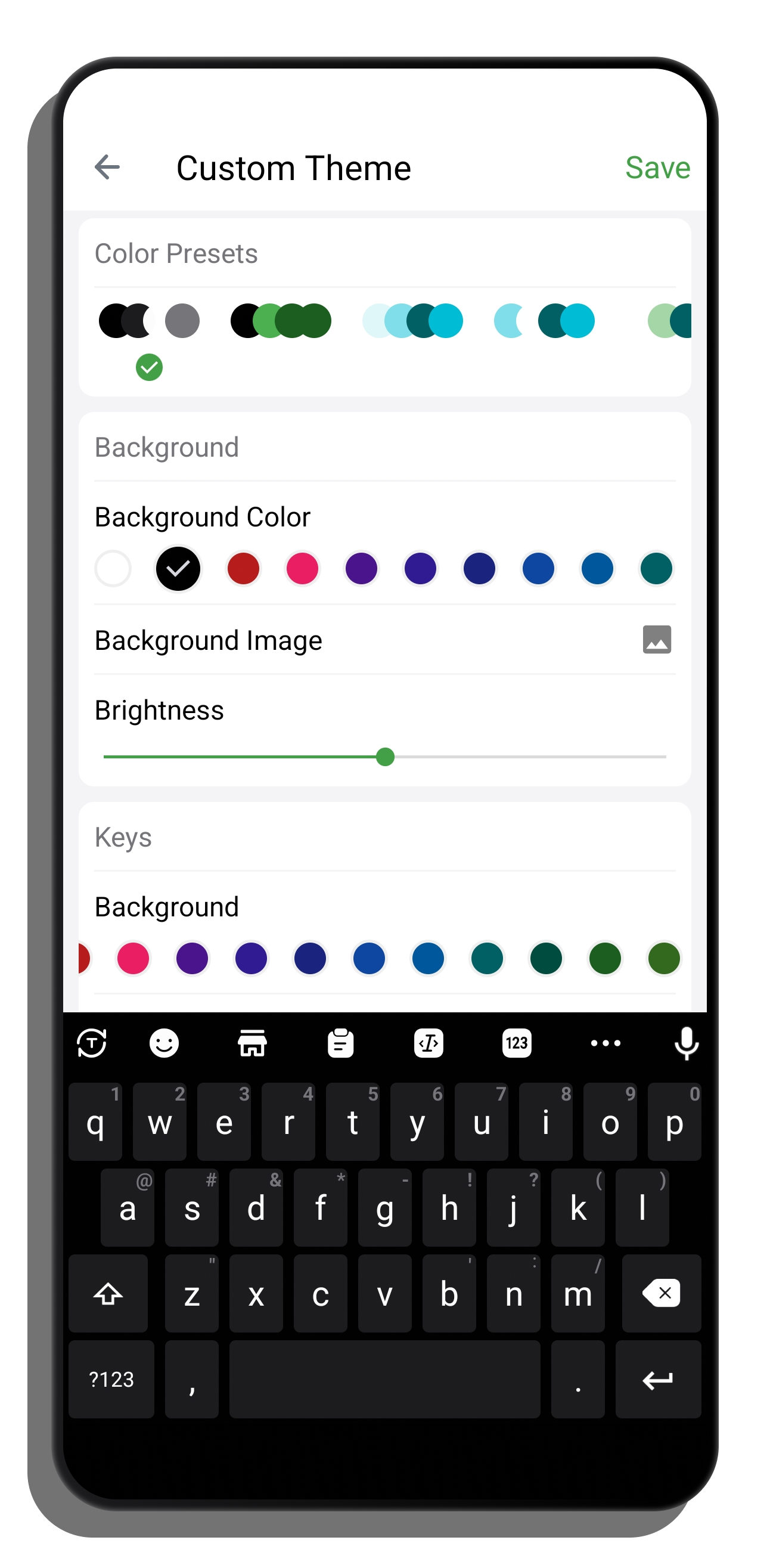
Match your style... Choose from a set of colorful themes.
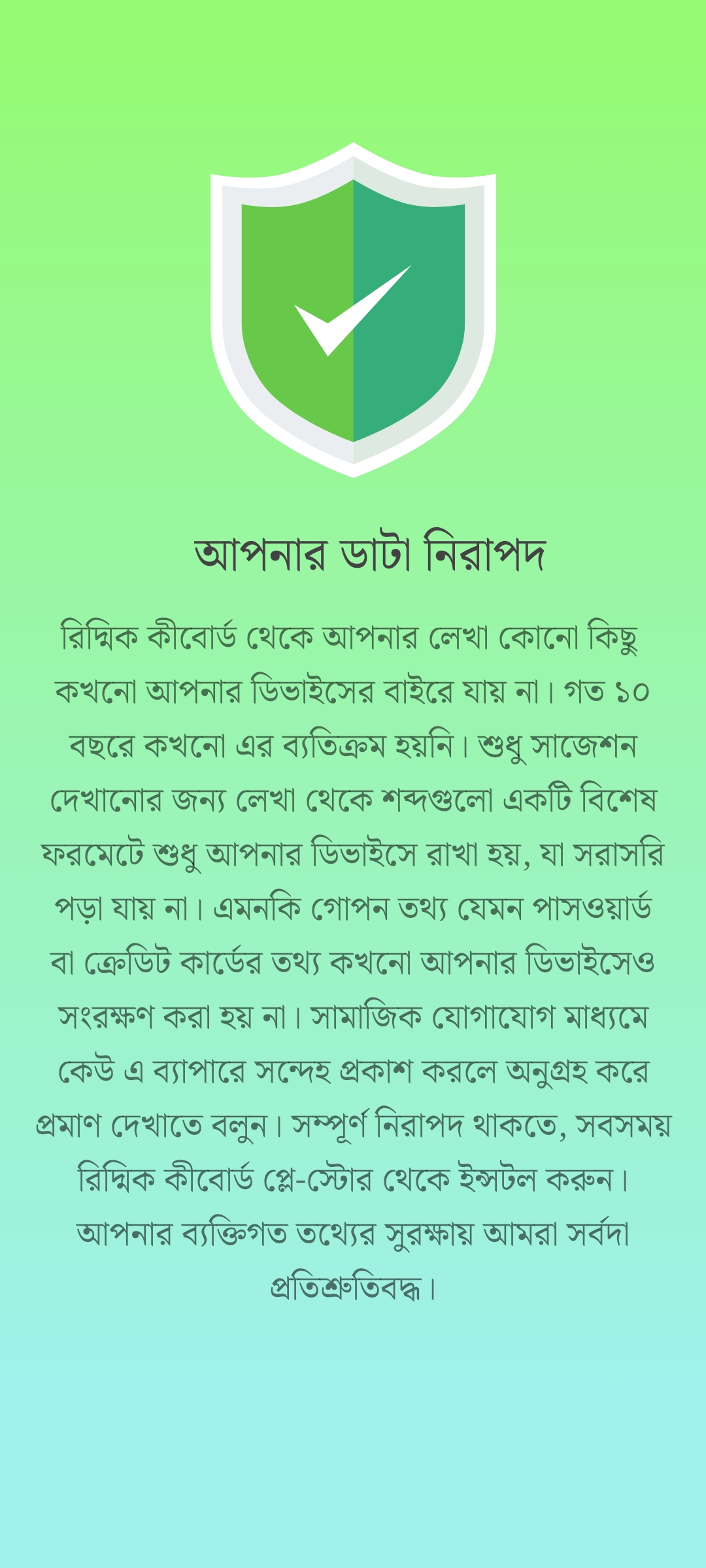
Guaranteed security of anything you type.
Full set of Sticker and emoji

Bundled with more amazing features like optional number row, keyboard height adjustments, learn from your typing and more...







A transgender person can identify as straight, gay, lesbian, bisexual, asexual, or queer, just like a cisgender (non-transgender) person. Key Elements of Transgender Culture
The Living Intersection: How the Transgender Community Shapes and Relies on LGBTQ+ Culture
Transgender women of color were instrumental in the early sparks of the LGBTQ+ revolution. Sylvia Rivera Marsha P. Johnson granny shemale movie
The modern landscape of LGBTQ+ activism, language, and celebration did not develop in a vacuum. It was forged through decades of resistance, community building, and creative expression. At the absolute center of this evolution sits the transgender community. While the "T" in LGBTQ+ represents a distinct identity related to gender rather than sexual orientation, the histories, struggles, and triumphs of trans individuals are completely inseparable from broader queer culture. Understanding this connection reveals how the trans community acts as both a foundation and a modern catalyst for the entire LGBTQ+ movement. The Historical Blueprint: Riots and Resilience
Despite progress, the transgender community continues to face substantial challenges. Discrimination in employment, housing, healthcare, and education is prevalent, often leading to higher rates of poverty, homelessness, and mental health issues. Violence against transgender individuals, particularly trans women of color, remains alarmingly high, with many cases going unreported or unsolved. A transgender person can identify as straight, gay,
Pride Month is the most visible celebration of LGBTQ+ culture globally. Within this framework, the transgender community has established its own markers of visibility. The Transgender Pride Flag—designed by trans woman Monica Helms in 1999, featuring light blue, pink, and white stripes—is now flown worldwide. Additionally, events like the Trans March and the Transgender Day of Visibility (March 31) highlight the specific joys and ongoing battles of the trans community outside of traditional June celebrations. Ongoing Battles for Equity and Survival
In conclusion, the transgender community plays a vital role in LGBTQ culture, bringing depth, diversity, and dynamism to the collective fight for equality and rights. As we look to the future, it's crucial to continue advocating for the rights and dignity of transgender individuals, celebrating their contributions, and supporting their quest for a more just and inclusive society. Through understanding, empathy, and solidarity, we can build a brighter future for all members of the LGBTQ community. Johnson The modern landscape of LGBTQ+ activism, language,
By honoring the radical history of trans activists and continuing to dismantle rigid binary expectations, the LGBTQ+ movement moves closer to its foundational goal: a world where everyone can live authentically and safely in their truth.
Beyond the struggle for rights, the community has built a rich culture centered on "chosen family" and self-discovery.


