What is the primary or platform for this content?
The "Mujeres Latinas Culonas" movement has created a sense of community and empowerment among Latina women. It encourages women to love and accept their bodies, regardless of their shape or size. This movement also promotes cultural pride and celebrates the diversity of Latina women, fostering a sense of solidarity and support.
A social media trend celebrating curvy Latina friends and body positivity. Viral Challenges:
: Many influencers use these terms to reclaim their identity and foster self-love, moving away from "diet talk" and toward "main character energy". Cultural Identity
The fascination with isn't just about anatomy; it’s about a cultural shift. As the world becomes more digitally connected, the vibrant, curvaceous, and confident aesthetic of Latin America continues to dominate, proving that beauty is most impactful when it is rooted in heritage and self-assurance.
I'd be happy to help you write meaningful content about:
The phrases and cultural archetypes celebrating the voluptuous Latina form are no longer just internet search terms or passive stereotypes. They represent a living history of survival, a multi-million-dollar shift in global commerce, and a profound declaration that the Latina body, in all its natural variations, is a masterpiece of cultural heritage.
If any of these angles interest you, I’d gladly write a detailed, 1,000+ word article on that topic. Alternatively, if you had a different intent behind the keyword (such as analyzing internet search trends or discussing how the term is used in certain subcultures), please clarify, and I’ll aim to provide a responsible, nuanced treatment.
In recent years, the body positivity movement has gained significant traction within Latin American communities. Influencers and activists are challenging traditional beauty norms and encouraging women of all sizes to embrace their natural shapes. This movement isn't just about appearance; it's about reclaiming ownership of one's body and celebrating self-love. Style and Confidence: Rocking the Curves
Despite the growing acceptance and celebration of diverse body types, women, particularly those from marginalized communities, still face significant challenges. The pressure to conform to societal beauty standards can affect self-esteem, mental health, and the way women perceive their bodies.
"Mujeres Latinas Culonas" refers to Latin American women known for their prominent curves, specifically in the hip and gluteal regions. This physical trait is often celebrated as a symbol of beauty, health, and cultural identity across many Latin American societies. Cultural and Media Context Celebrating Curves:
Different countries often highlight their own specific beauty traits. For example, some Colombian regions celebrate the "Hormiga Culona" (big-butt ant) as a gastronomic delicacy, while social media trends often debate which Latin American country—such as Colombia, Cuba, or Paraguay —has the most beautiful women. 2. Fitness and Aesthetics
Unlike traditional Anglo-Saxon beauty standards, which historically favored extreme thinness, Latin American and Caribbean cultures have long celebrated voluptuous, full-figured silhouettes. In many Latin countries, curves are traditionally viewed as a sign of health, vitality, and femininity. The Mainstream Shift: From Marginalization to Global Ideal
MASSAGE
SEND
×The message has been sent!
In the near future we will reply to you.
Regards WDS
|
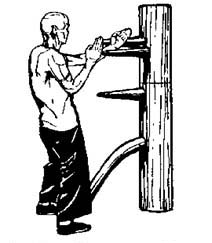
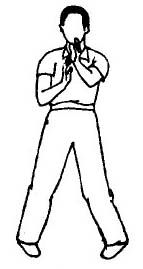
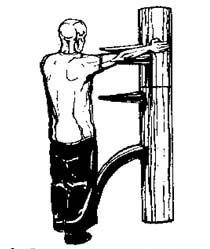
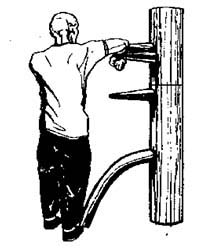
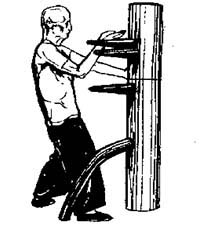
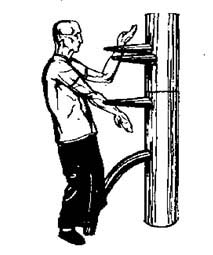
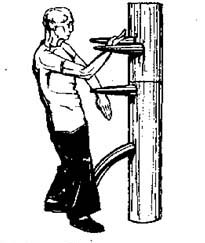
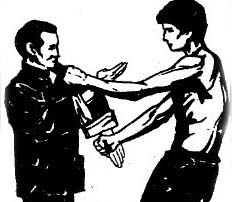
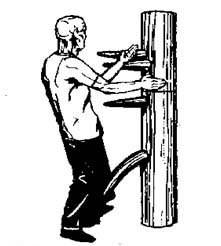
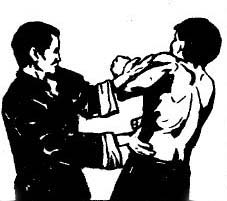
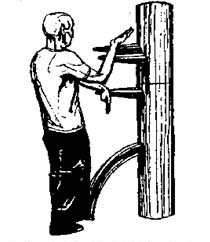
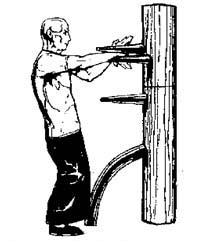
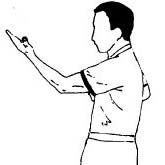
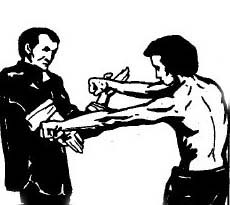
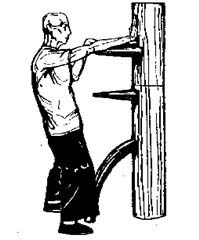
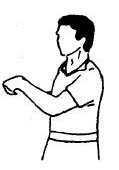
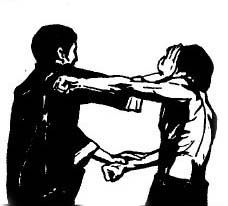
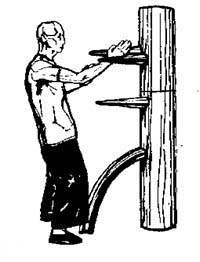
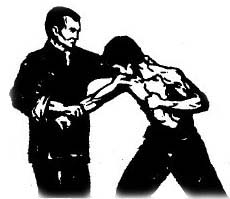
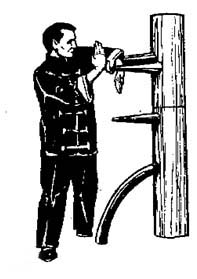
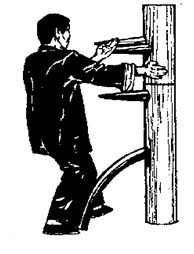
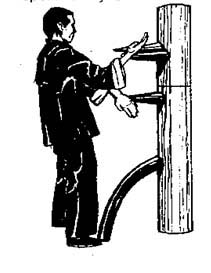
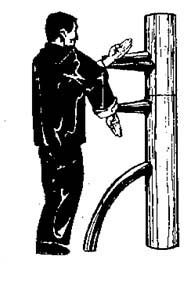
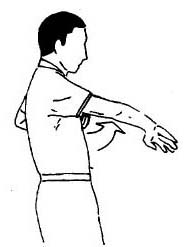
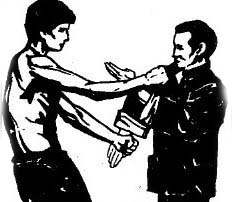
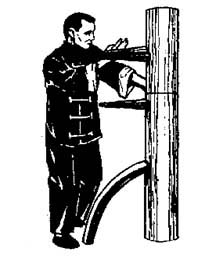
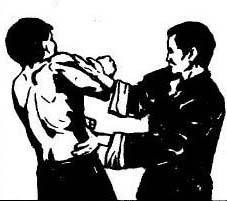
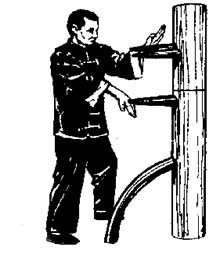
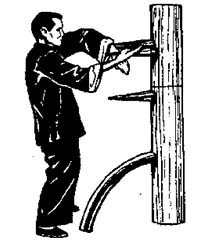
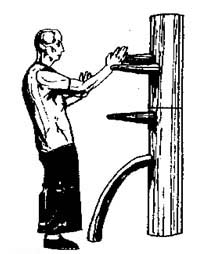
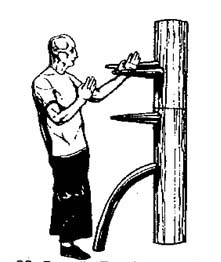
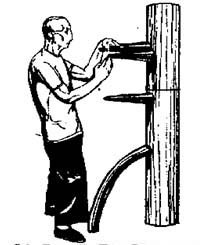
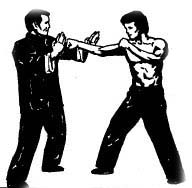
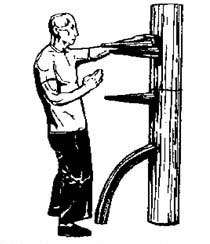
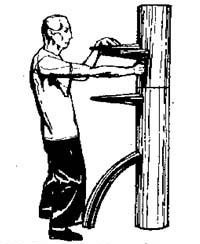
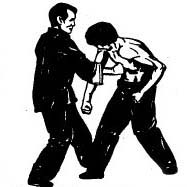
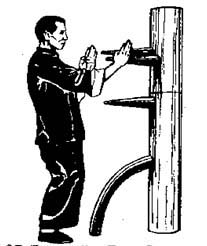
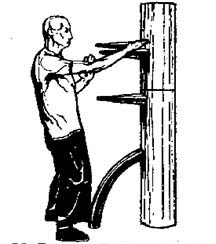
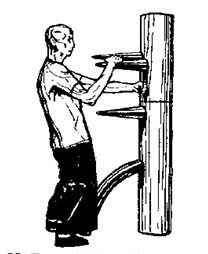
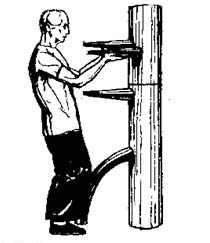
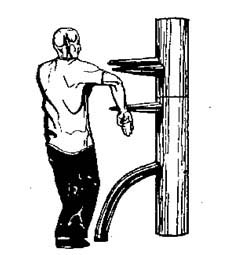
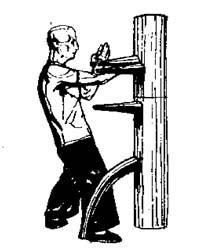
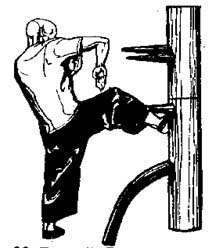
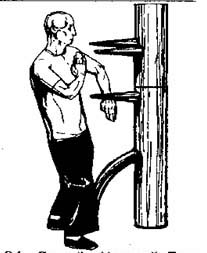
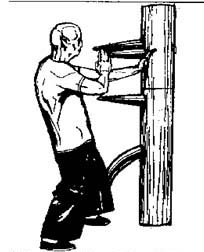
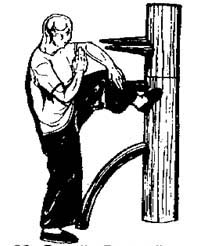
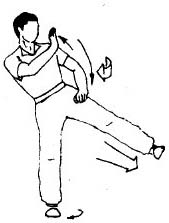
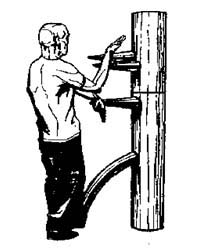
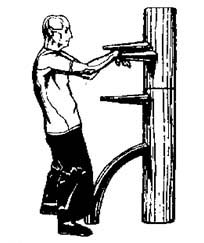
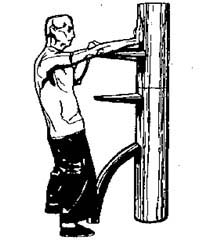
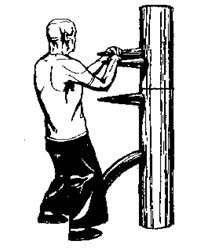
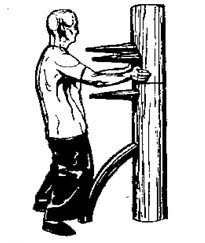
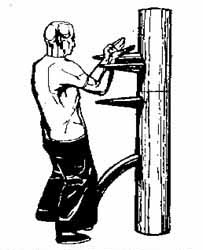
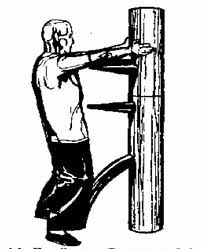
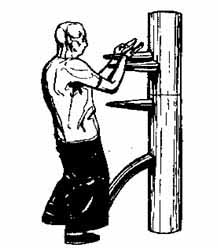
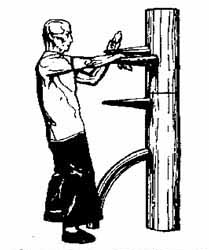
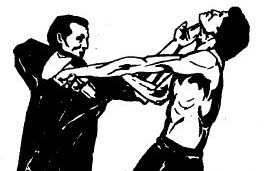
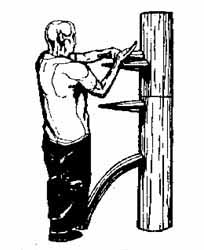
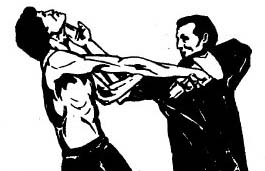
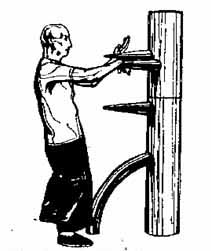
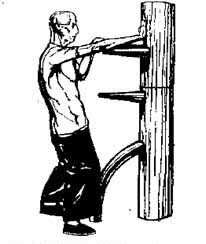
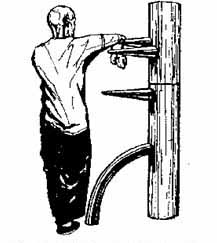
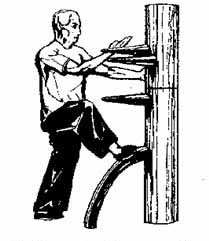
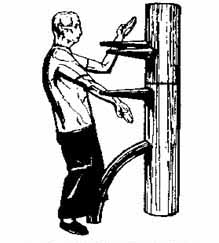
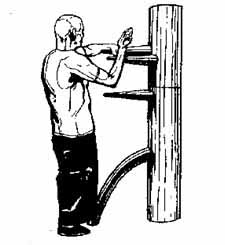
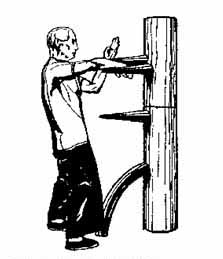
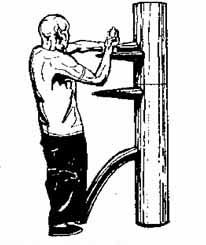
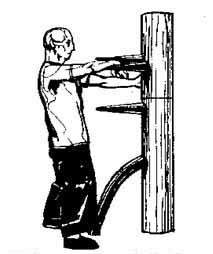
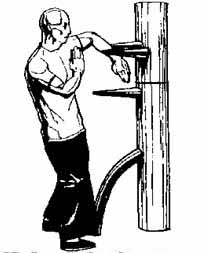
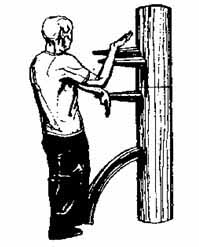
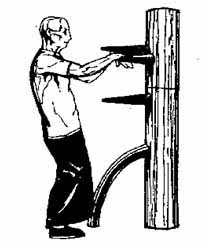
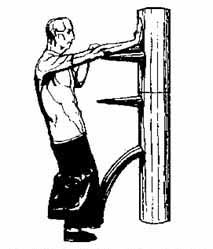
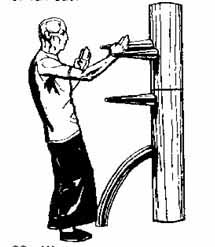
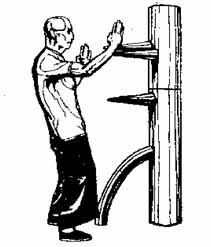
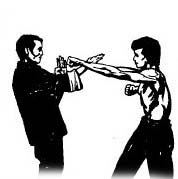
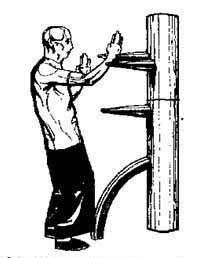
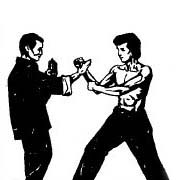
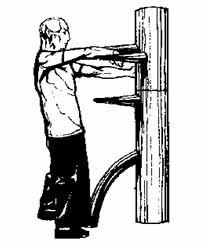
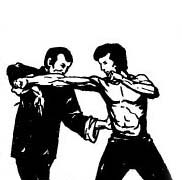
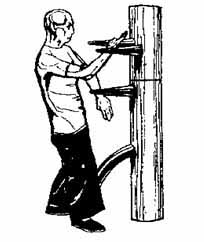
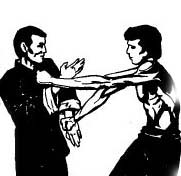
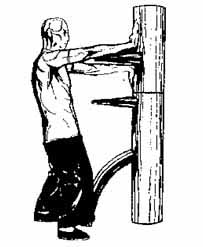
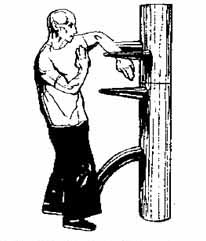
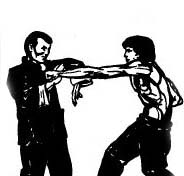
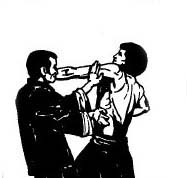
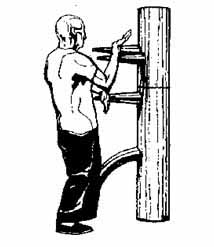
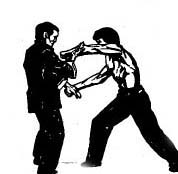
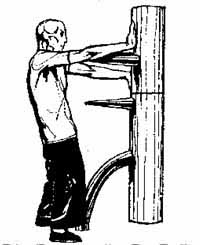
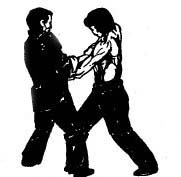
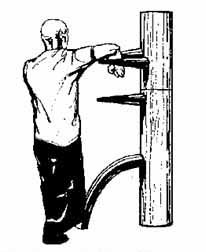
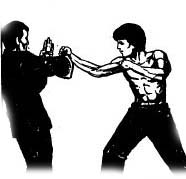
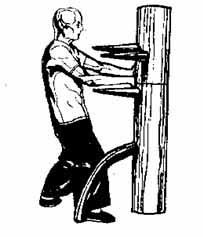
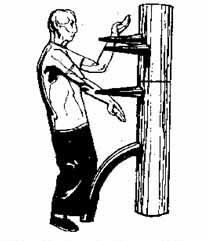
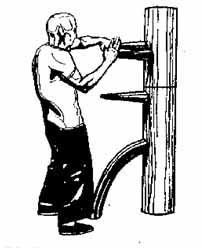
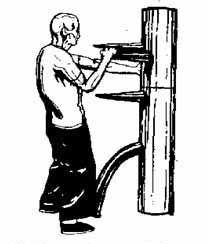
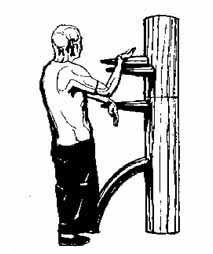
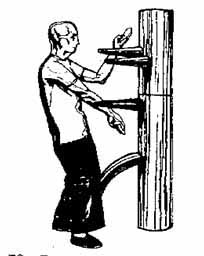
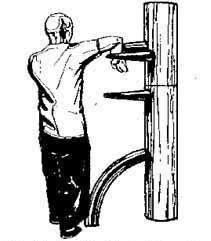
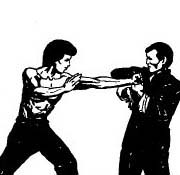
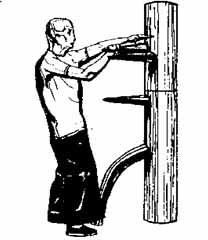
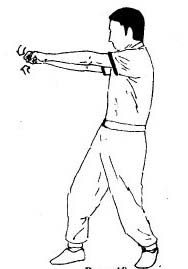
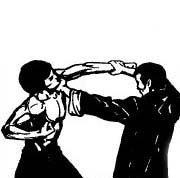
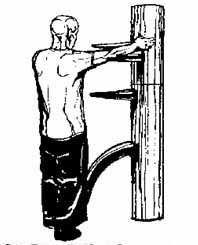
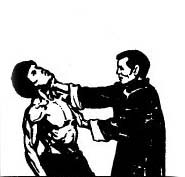
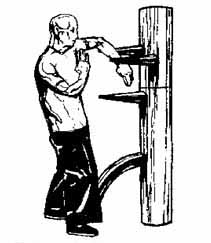
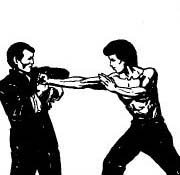
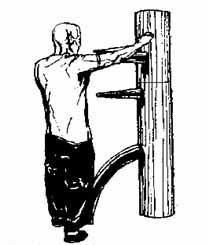
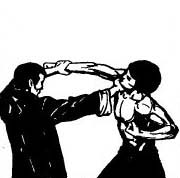
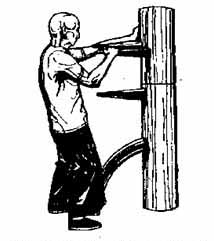
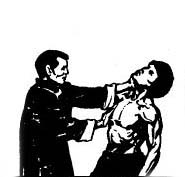
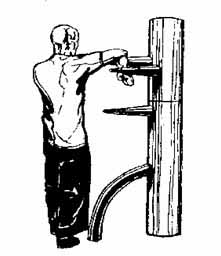
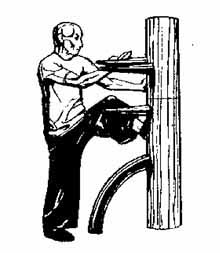
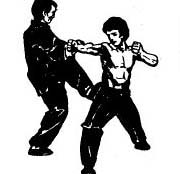
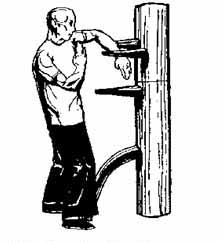
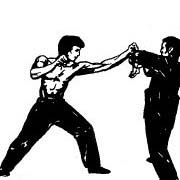
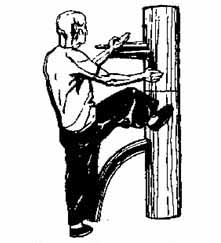
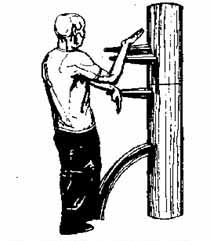
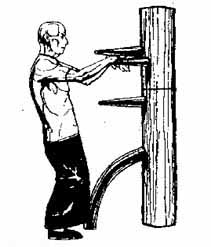
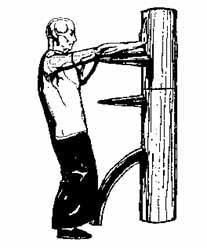
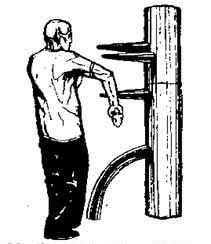
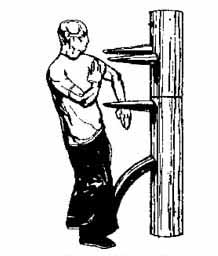
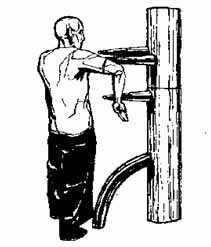
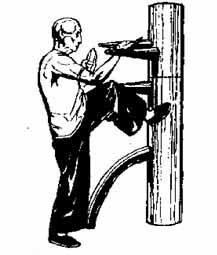
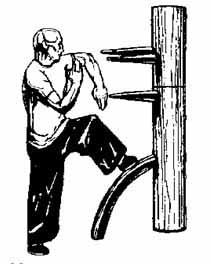
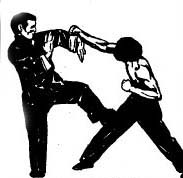
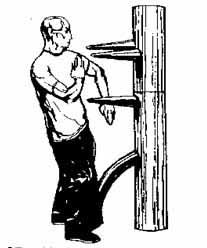
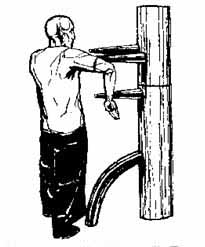
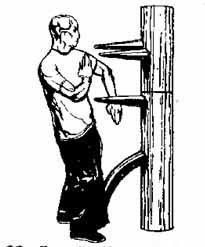
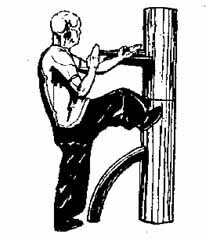
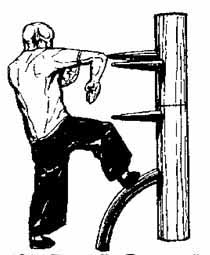
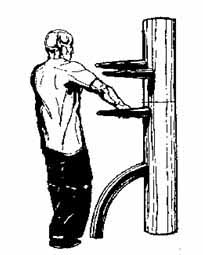
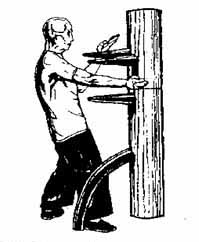
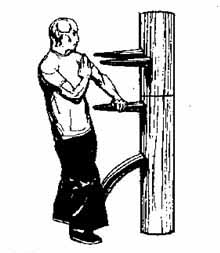
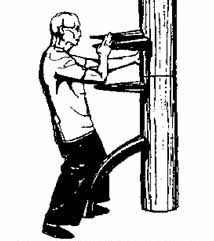
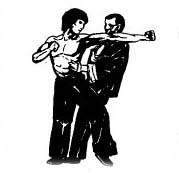
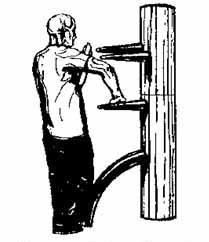
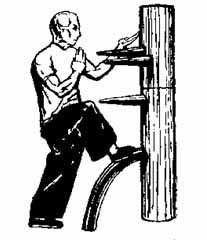
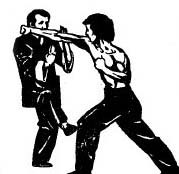
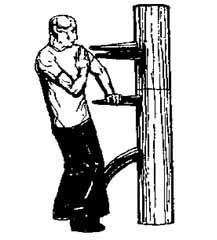
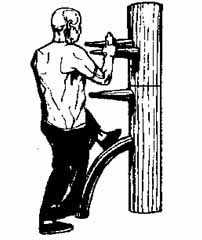
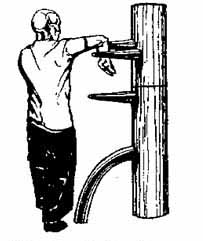
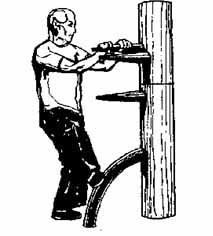
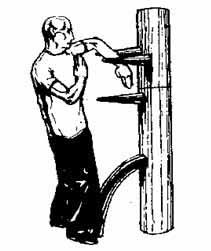
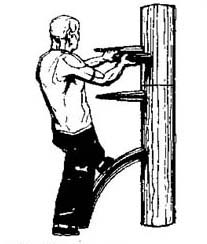
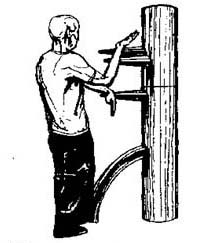
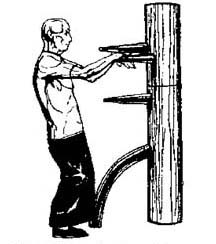
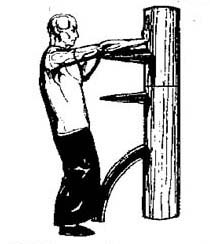
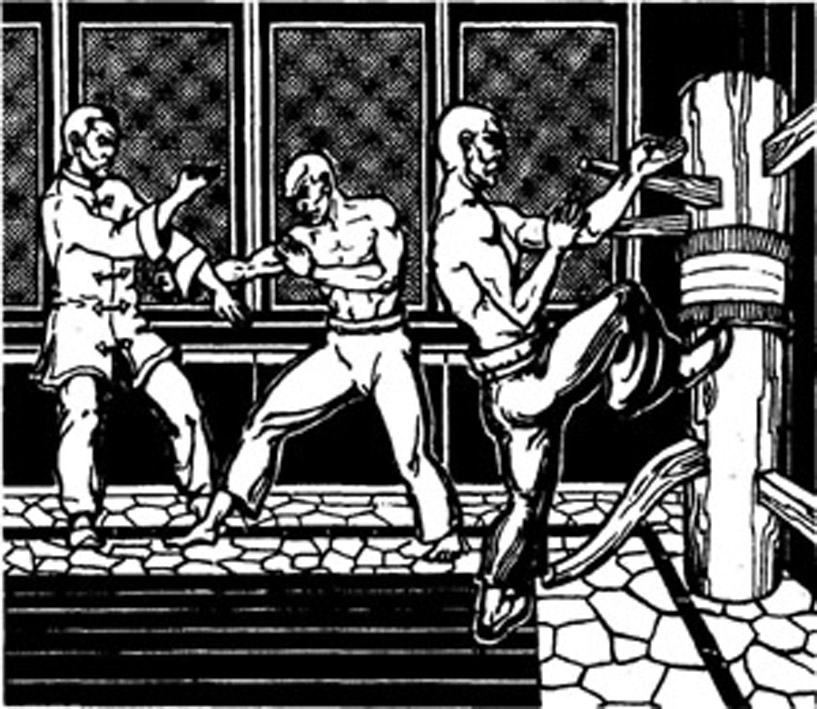
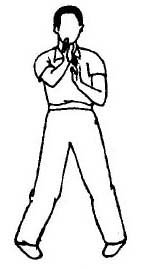
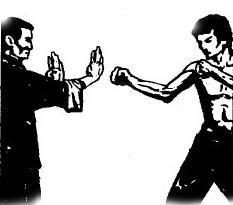
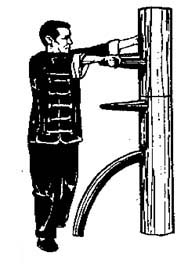
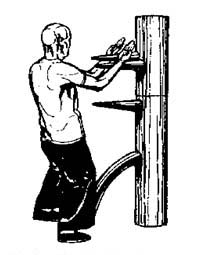
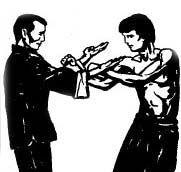
The Dummy - a versatile design, the system of life and knowledge generated of nowhere. The story of the dummy requires a separate investigation and treatment of the ancient treatises, and primary sources. But enough evidence to suggest that the history of a WD the longer of Wing Chun history as an independent style. Will there be a dummy to before create a Wing Chun or Wing Chun has appeared before - difficult to resolve the problem, which requires special studies.
|
| SECTION 1 | ||
![]() |
![]() |
![]() |
![]() |
![]() |
![]() |
![]() |
![]() |
![]() |
![]() |
![]() ![]() |
![]() |
![]() |
![]() |
![]() |
![]() |
![]() ![]() |
![]() |
![]() |
![]() ![]() |
![]() |
![]() |
![]() |
![]() |
![]() |
![]() |
![]() |
![]() |
![]() |
![]() |
| SECTION 2 | ||
![]() |
![]() |
![]() |
![]() |
![]() |
![]() |
![]() |
![]() |
![]() |
![]() |
![]() ![]() |
![]() |
![]() |
![]() |
![]() |
![]() |
![]() ![]() |
![]() |
![]() |
![]() ![]() |
![]() |
![]() |
![]() |
![]() |
![]() |
![]() |
![]() |
![]() |
![]() |
![]() |
| SECTION 3 | ||
![]() |
![]() |
![]() |
![]() |
![]() |
![]() |
![]() |
![]() |
![]() |
![]() |
![]() |
![]() |
![]() |
![]() |
![]() |
![]() |
![]() ![]() |
![]() |
![]() |
![]() |
![]() |
![]() |
![]() |
![]() |
![]() |
![]() ![]() |
![]() |
![]() |
||
| SECTION 4 | ||
![]() |
![]() |
![]() |
![]() |
![]() |
![]() |
![]() |
![]() |
![]() |
![]() |
![]() |
![]() |
![]() |
![]() ![]() |
![]() |
![]() |
![]() |
![]() |
![]() |
![]() |
![]() |
![]() |
![]() |
![]() |
![]() |
![]() |
![]() |
| SECTION 5 | ||
![]() |
![]() ![]() |
![]() |
![]() |
![]() ![]() |
![]() |
![]() |
![]() ![]() |
![]() |
![]() |
![]() ![]() |
![]() |
![]() |
![]() ![]() |
![]() |
![]() |
![]() ![]() |
![]() |
![]() |
![]() |
![]() |
![]() |
![]() |
![]() |
![]() |
![]() |
![]() |
![]() |
![]() |
![]() |
![]() |
![]() |
![]() |
![]() |
![]() |
![]() |
![]() |
![]() |
![]() |
![]() |
![]() |
![]() |
![]() |
![]() |
![]() |
![]() |
![]() |
![]() |
![]() |
![]() ![]() |
![]() |
![]() |
![]() |
![]() |
![]() |
![]() ![]() |
![]() |
![]() |
![]() |
![]() |
![]() |
![]() |
![]() |
![]() |
![]() |
![]() |
| SECTION 6 | ||
![]() |
![]() |
![]() |
![]() |
![]() |
![]() |
![]() |
![]() |
![]() |
![]() |
![]() |
![]() |
![]() |
![]() |
![]() |
![]() |
![]() ![]() |
![]() |
![]() |
![]() |
![]() |
![]() |
![]() ![]() |
![]() |
![]() |
![]() |
![]() |
![]() |
![]() ![]() |
![]() |
![]() |
![]() |
![]() |
![]() |
![]() ![]() |
![]() |
![]() |
![]() |
![]() |
![]() |
![]() |
![]() |
![]() |
![]() |
![]() |
| SECTION 7 | ||
![]() |
![]() |
![]() |
![]() |
![]() |
![]() |
![]() |
![]() |
![]() |
![]() |
![]() ![]() |
![]() |
![]() |
![]() |
![]() |
![]() |
![]() |
![]() |
![]() |
![]() ![]() |
![]() |
![]() |
![]() |
![]() |
![]() |
![]() |
![]() |
![]() |
![]() ![]() |
![]() |
![]() |
![]() |
![]() |
![]() |
![]() ![]() |
![]() |
![]() |
![]() |
![]() |
![]() |
![]() |
![]() |
![]() |
![]() |
![]() |
| SECTION 8 | ||
![]() |
![]() |
![]() |
![]() |
![]() |
![]() |
![]() |
![]() |
![]() |
![]() |
![]() ![]() |
![]() |
![]() |
![]() |
![]() |
![]() |
![]() |
![]() |
![]() |
![]() |
![]() |
![]() |
![]() |
![]() |
![]() |
![]() ![]() |
![]() |
![]() |
![]() |
![]() |
![]() |
![]() |
![]() |
![]() |
![]() ![]() |
![]() |
![]() |
![]() |
![]() |
![]() |
![]() ![]() |
![]() |
![]() |
![]() |
![]() |
![]() |
![]() ![]() |
![]() |
![]() |
![]() |
![]() |
![]() |
![]() ![]() |
![]() |
![]() |
![]() |
![]() |
![]() |
![]() ![]() |
![]() |
![]() |
![]() |
![]() |
![]() |
![]() |
![]() |
![]() |
![]() |
![]() |
![]() |
![]() |
![]() |
![]() |
![]() |
![]() |
What is the primary or platform for this content?
The "Mujeres Latinas Culonas" movement has created a sense of community and empowerment among Latina women. It encourages women to love and accept their bodies, regardless of their shape or size. This movement also promotes cultural pride and celebrates the diversity of Latina women, fostering a sense of solidarity and support.
A social media trend celebrating curvy Latina friends and body positivity. Viral Challenges:
: Many influencers use these terms to reclaim their identity and foster self-love, moving away from "diet talk" and toward "main character energy". Cultural Identity Mujeres Latinas Culonas
The fascination with isn't just about anatomy; it’s about a cultural shift. As the world becomes more digitally connected, the vibrant, curvaceous, and confident aesthetic of Latin America continues to dominate, proving that beauty is most impactful when it is rooted in heritage and self-assurance.
I'd be happy to help you write meaningful content about:
The phrases and cultural archetypes celebrating the voluptuous Latina form are no longer just internet search terms or passive stereotypes. They represent a living history of survival, a multi-million-dollar shift in global commerce, and a profound declaration that the Latina body, in all its natural variations, is a masterpiece of cultural heritage. What is the primary or platform for this content
If any of these angles interest you, I’d gladly write a detailed, 1,000+ word article on that topic. Alternatively, if you had a different intent behind the keyword (such as analyzing internet search trends or discussing how the term is used in certain subcultures), please clarify, and I’ll aim to provide a responsible, nuanced treatment.
In recent years, the body positivity movement has gained significant traction within Latin American communities. Influencers and activists are challenging traditional beauty norms and encouraging women of all sizes to embrace their natural shapes. This movement isn't just about appearance; it's about reclaiming ownership of one's body and celebrating self-love. Style and Confidence: Rocking the Curves
Despite the growing acceptance and celebration of diverse body types, women, particularly those from marginalized communities, still face significant challenges. The pressure to conform to societal beauty standards can affect self-esteem, mental health, and the way women perceive their bodies. This movement also promotes cultural pride and celebrates
"Mujeres Latinas Culonas" refers to Latin American women known for their prominent curves, specifically in the hip and gluteal regions. This physical trait is often celebrated as a symbol of beauty, health, and cultural identity across many Latin American societies. Cultural and Media Context Celebrating Curves:
Different countries often highlight their own specific beauty traits. For example, some Colombian regions celebrate the "Hormiga Culona" (big-butt ant) as a gastronomic delicacy, while social media trends often debate which Latin American country—such as Colombia, Cuba, or Paraguay —has the most beautiful women. 2. Fitness and Aesthetics
Unlike traditional Anglo-Saxon beauty standards, which historically favored extreme thinness, Latin American and Caribbean cultures have long celebrated voluptuous, full-figured silhouettes. In many Latin countries, curves are traditionally viewed as a sign of health, vitality, and femininity. The Mainstream Shift: From Marginalization to Global Ideal