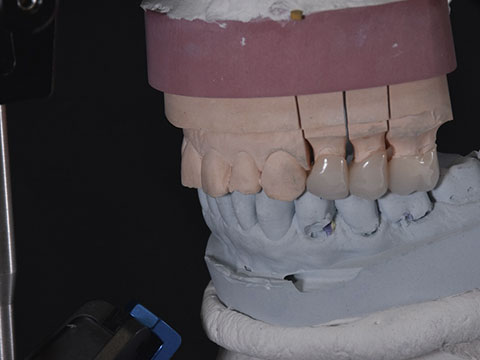
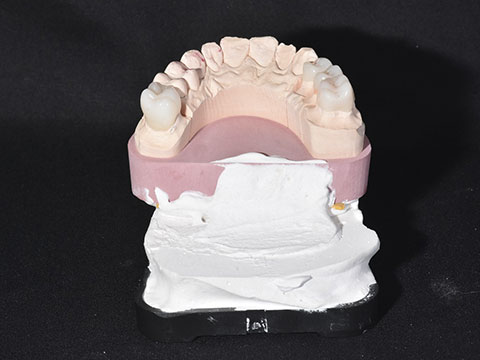
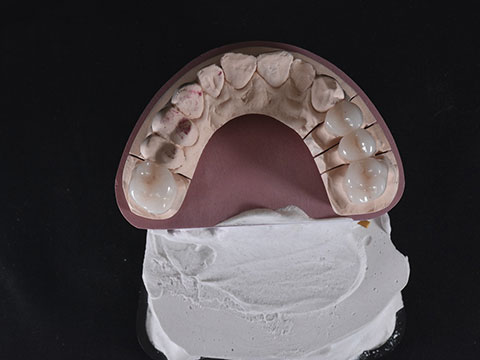
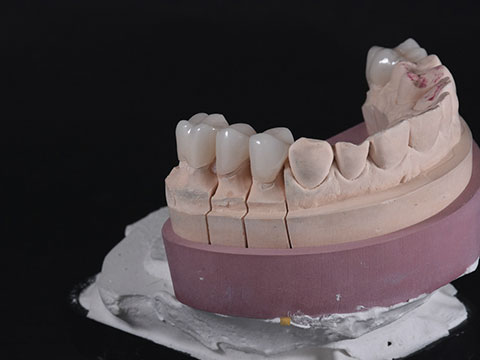
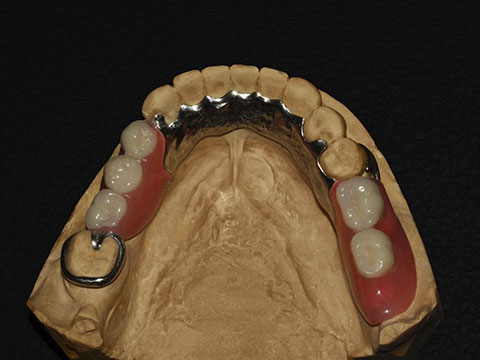
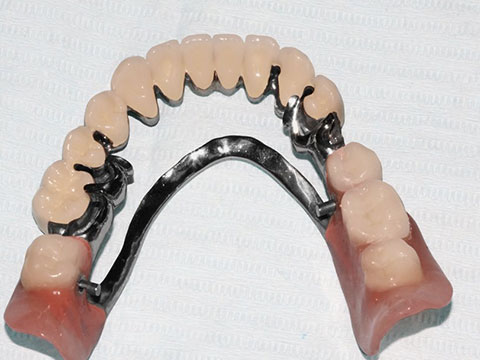
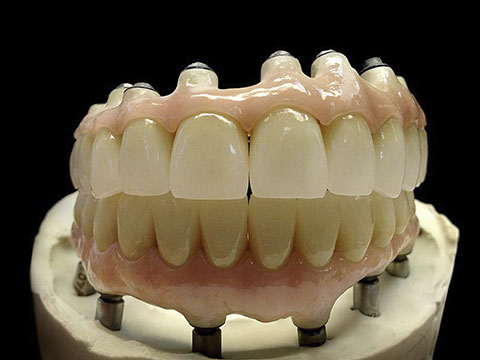
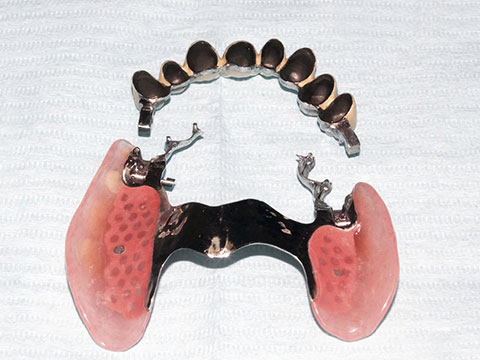
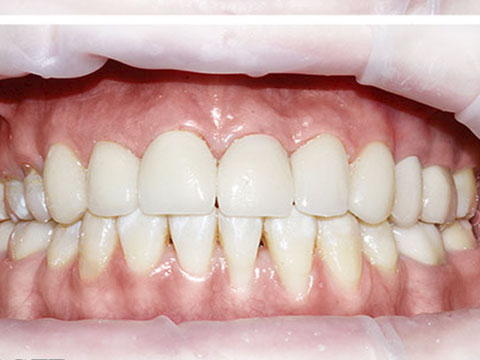
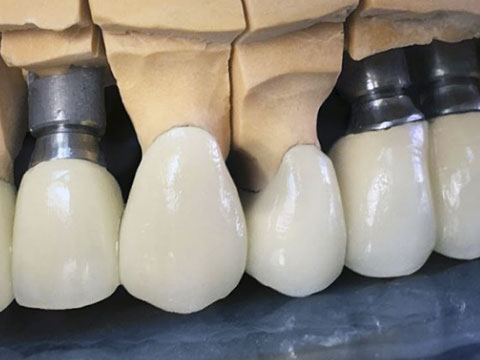
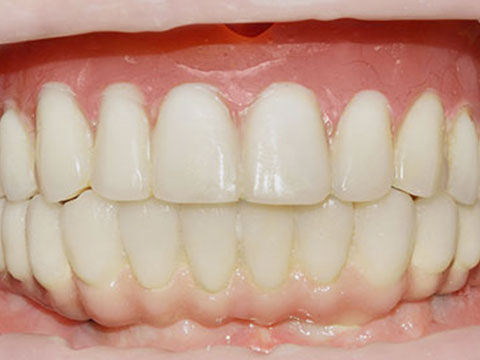
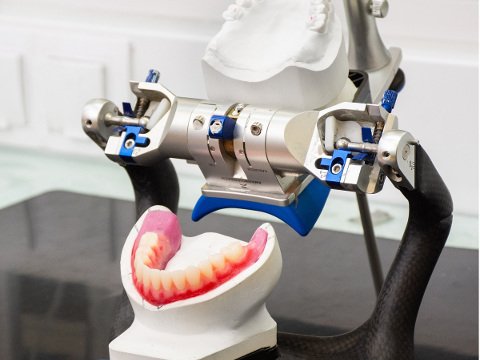
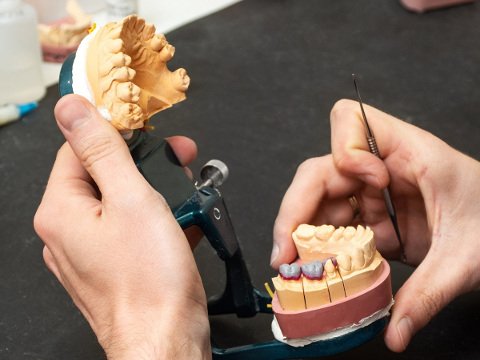
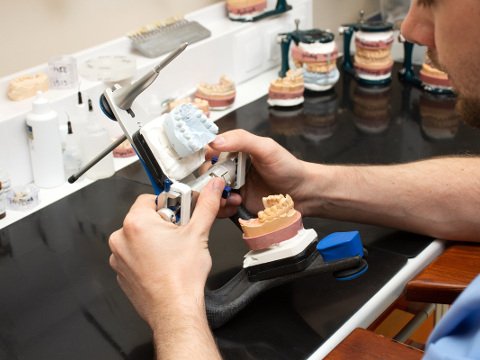
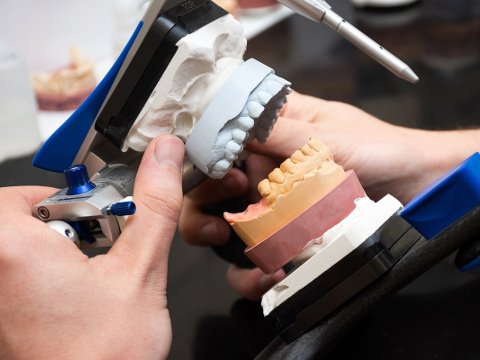
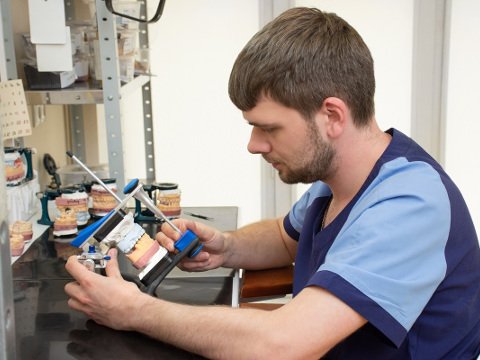
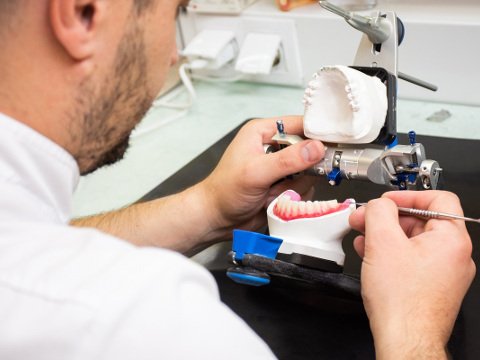
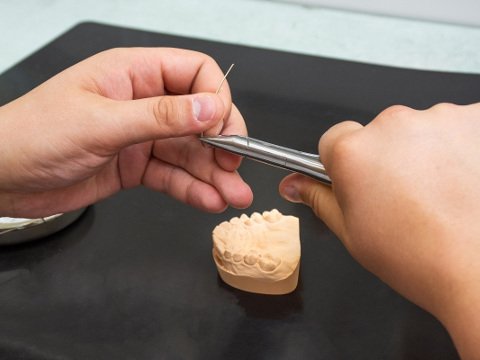
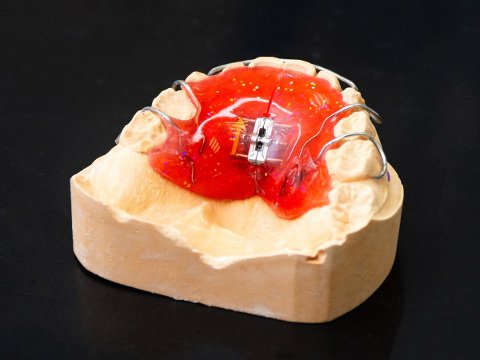
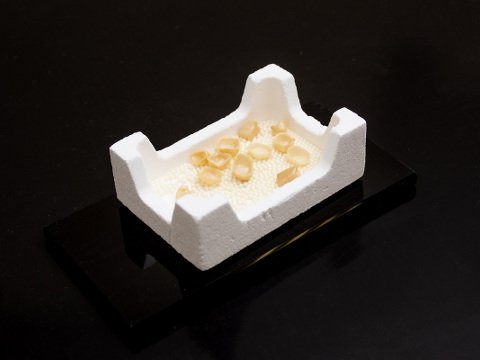
Зуботехническая
лаборатория
лаборатория





To mitigate the risks associated with password de fakings verified, individuals and organizations can take the following steps:
Many users believe their passwords are secure, but they are often "faked"—providing a false sense of security while being easily compromised by hackers. Common pitfalls include:
If the system detects a typing pattern that suggests "deception," it may:
The person attempting to access "Gold" or premium content is the actual owner of the associated email or payment method.
Credential stuffing and insider threats exploit leftover test credentials. Existing sanitization lacks verifiable proof that all fake passwords have been removed. We define a process and a verification step to ensure completion.
When a database is breached, hackers usually steal these hashes, not the actual passwords. A list of 100 million hashes is essentially a list of 100 million locked safes. Without the key, they are useless.
Seeking out "verified" or "faked" credentials can carry significant security risks. Understanding these dangers is crucial for protecting personal data. 1. Malware and Phishing
You don't have to do this manually every time. Several tools automate verification:
It is important to remember that legitimate "verified" accounts are not freely distributed. If a site offers a list of verified passwords, it is almost certainly a scam designed to compromise your personal data. How to Protect Yourself in 2026
To mitigate the risks associated with password de fakings verified, individuals and organizations can take the following steps:
Many users believe their passwords are secure, but they are often "faked"—providing a false sense of security while being easily compromised by hackers. Common pitfalls include:
If the system detects a typing pattern that suggests "deception," it may:
The person attempting to access "Gold" or premium content is the actual owner of the associated email or payment method.
Credential stuffing and insider threats exploit leftover test credentials. Existing sanitization lacks verifiable proof that all fake passwords have been removed. We define a process and a verification step to ensure completion.
When a database is breached, hackers usually steal these hashes, not the actual passwords. A list of 100 million hashes is essentially a list of 100 million locked safes. Without the key, they are useless.
Seeking out "verified" or "faked" credentials can carry significant security risks. Understanding these dangers is crucial for protecting personal data. 1. Malware and Phishing
You don't have to do this manually every time. Several tools automate verification:
It is important to remember that legitimate "verified" accounts are not freely distributed. If a site offers a list of verified passwords, it is almost certainly a scam designed to compromise your personal data. How to Protect Yourself in 2026
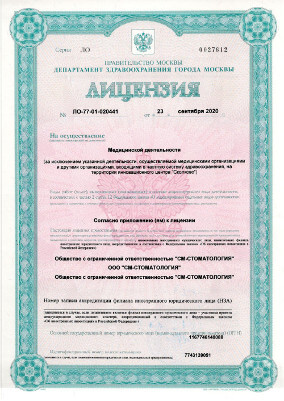
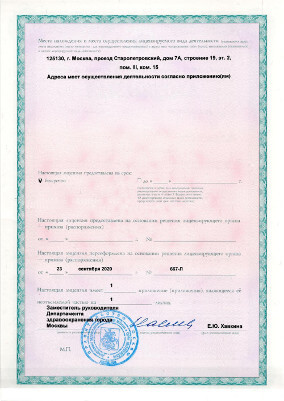
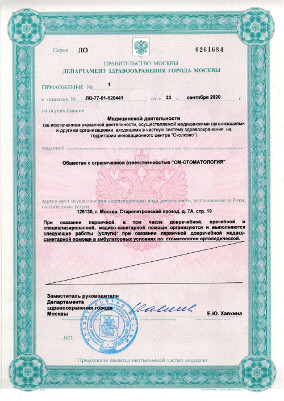
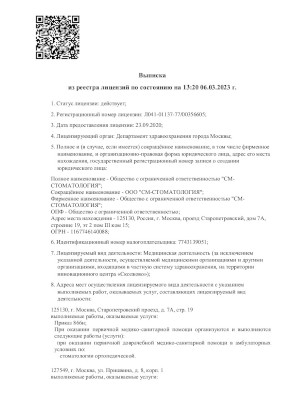
 Контакты
 Режим работы
 Как добраться