The Dreamers 2003 Uncut Free !exclusive! 🎁 Works 100%
The fantastically fun social deduction game
Blood on the
Clocktower is still in prototype, expected to release
in early to mid 2022. But some of us can't wait!
Fortunately for eager fans,
the Pandemonium
Institute has announced they are happy for anyone to use
do-it-yourself resources to make the physical game (called a
“Grimoire”, the box loaded up with all components) provided we
don't sell anything and don't use it for automated games.
Here is my current set of documents for printing DIY Blood on the
Clocktower components. All this work is my adaptation of art and
text © 2014–2021 Steven Medway and Pandemonium Institute.
This is intended to supplement official resources found via the
Blood on the
Clocktower site. I don't consider this to be a print-and-play
suitable game; these are for only some of the game components.
Grimoire box

You'll need a large, sturdy box for the Grimoire. I've
up-cycled an unwanted game that has a good deep rectangular box;
this document is custom shaped to that. Print on single-sided A3
paper, and apply these panels to all exterior surfaces of the
lid and tray. I then cover all that with protective
adhesive-backed transparent film.
Component boxes
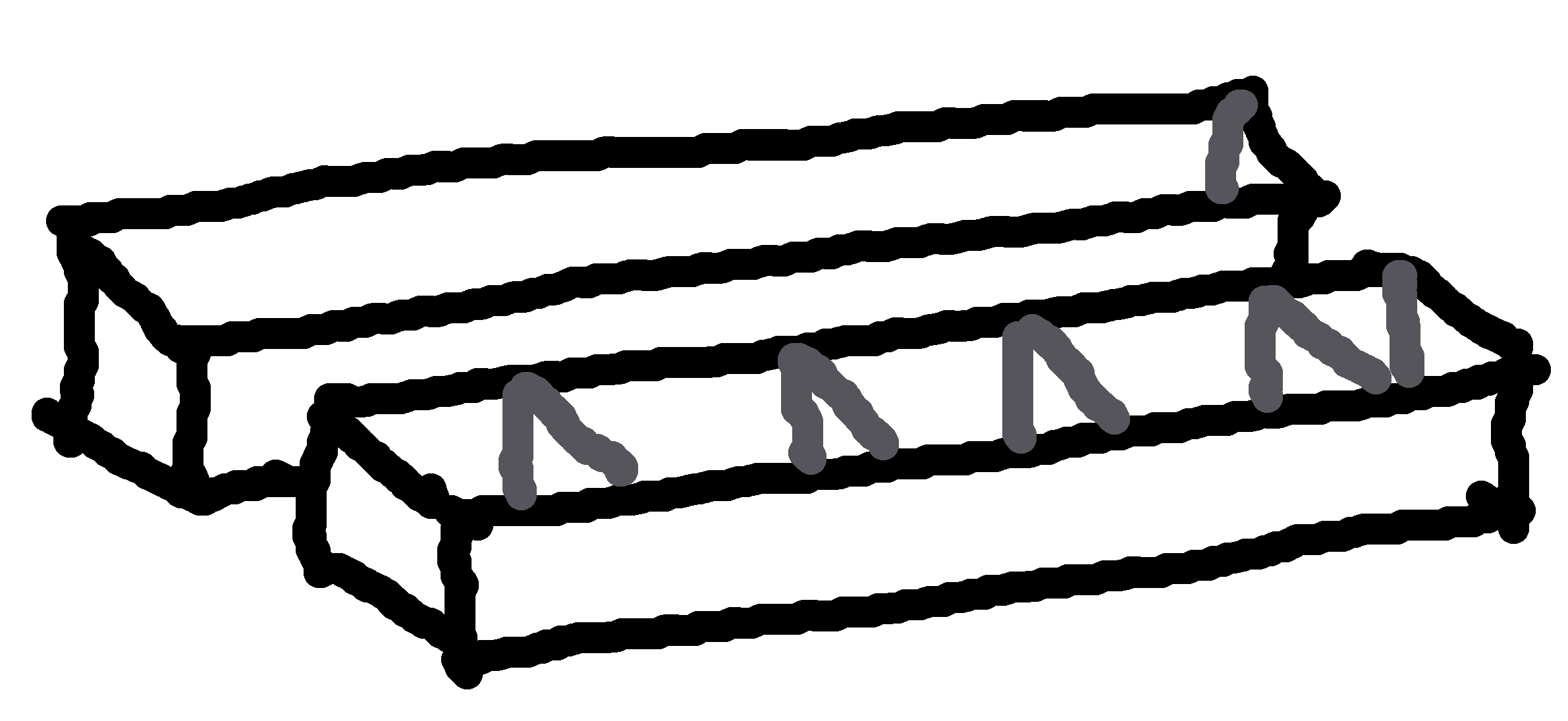
There are so many components in this game it is wise to keep
them organised into smaller containers, both for storage and
during play.
Each edition gets a long box for its tokens (character,
marker). There is an extra “Storyteller box” for the general
components for Town Square (life token, vote token, name label),
Grimoire (death shroud, information card, reminder token) and
Fabled tokens (character, marker).
Print single-sided onto A3 paper, glue panels to each side of
sturdy card (make sure to line up each side exactly), then cut,
fold, and glue to form the boxes. These are sized to fit inside
my custom Grimoire box.
A set of modular separators divide each long box into sections.
Print the dividers onto thick card, cut and fold, and glue at
the marked positions in the base of each box.
- Component boxes
for general components and each base edition (7.8MiB, PDF)
(2020-04-191)
Character tokens
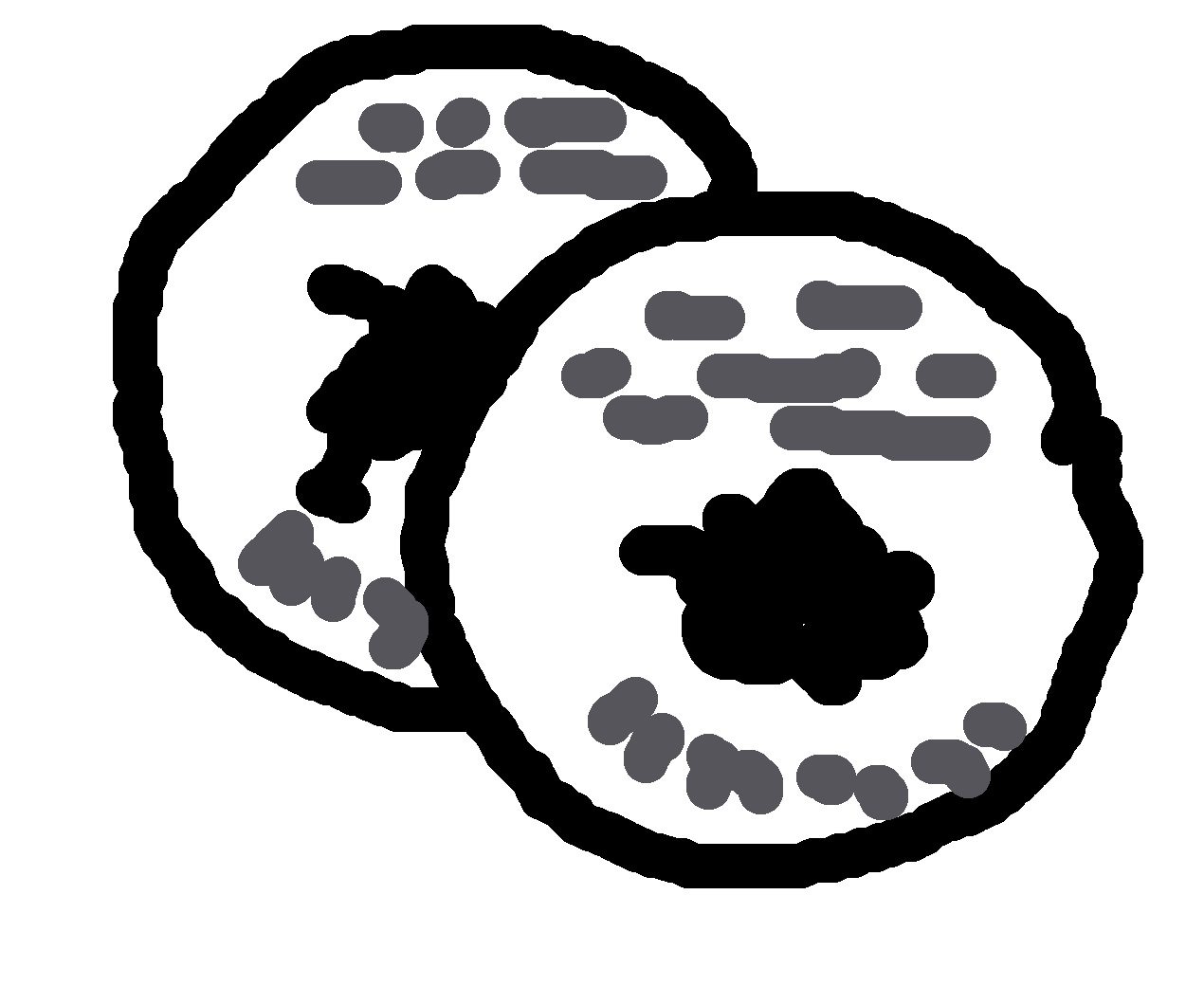
The web images are a good start, but are optimised for display
on a pixel device, not printing to paper. The resolution is low,
there's a useless shadow, the text is blurry, etc.
I've made these high-resolution tokens, rendered the icons, no
shadow, and a more readable font. 47mm diameter tokens. Pages
are A4 size.
Grimoire tokens

All the tokens for the Grimoire (except characters): ability
markers, alignment markers, info cards, death shrouds, night
reminders.
A track to show the current day or night phase, by number.
Two large cards (or one card double-sided) to declare, and pose
for photos, which team won the game.
The 12 information card faces can be made single-sided (12
cards) or glued back to back double-sided (6 cards).
A brochure-like promotional card with a little detail about the
game, to show to curious onlookers while a game is in progress.
Town Square
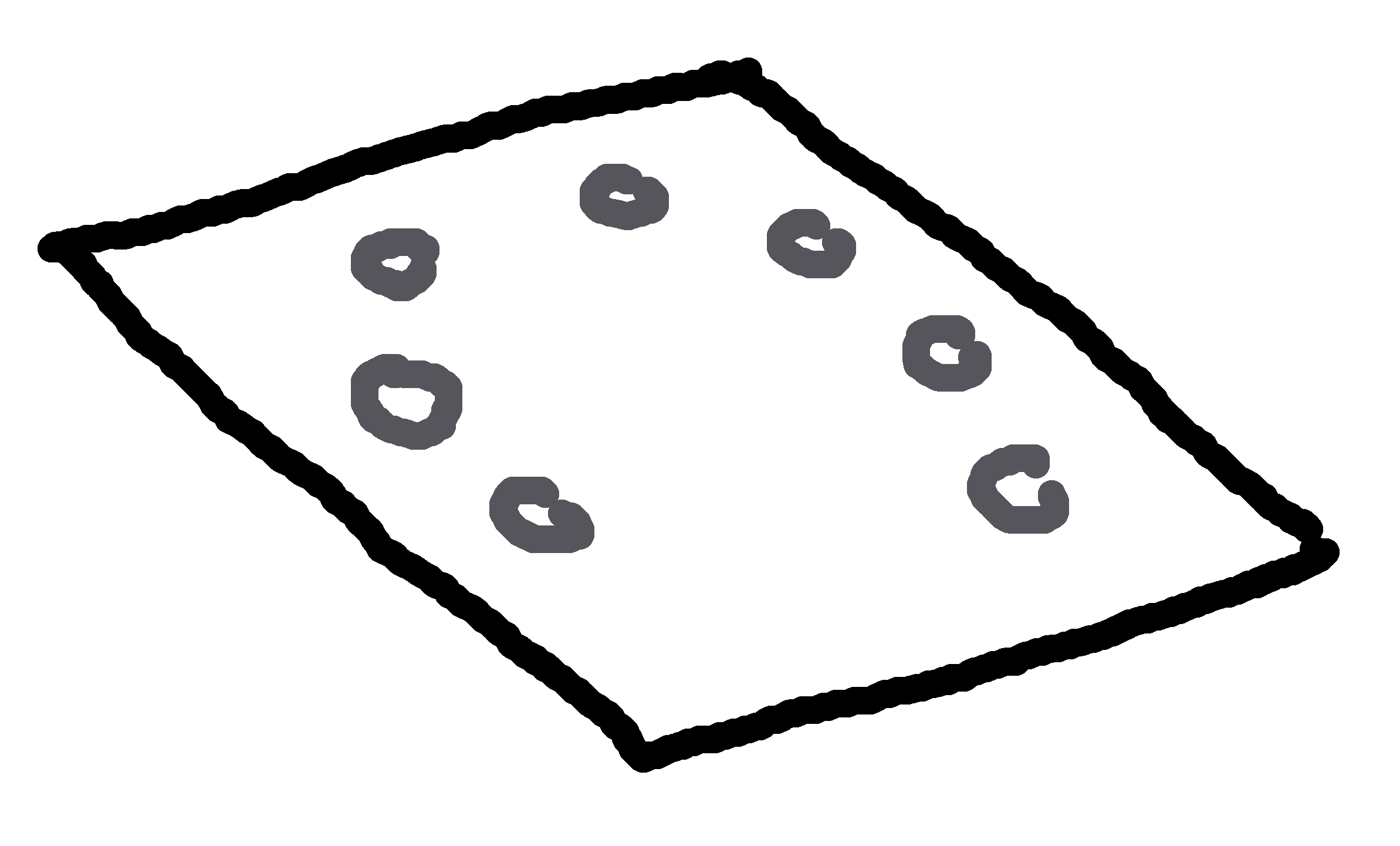
I use a Town Square sized for the specific game board that I
cannibalised; you may find it useful, but you also might want to
re-size it.
The document is designed for a folding two-panel board. The
front panels show the Town Square and a table of Character
Counts for reference during the game. The rear panels show an
overview of the game.
Reference
Rules explanation and setup

One-page rules explanation, in two variants.
- First-person variant: The Storyteller reads the
explanation aloud to the group. The second page is a
bullet-point checklist of steps to set up the game from the
beginning.
- Third-person variant: A delegated assistant player reads
the explanation aloud to the group. The second page is a
reference sheet of Travellers and Character counts, to
display under the Town Square.
A4, print two double-sided sheets for laminating.
When teaching the game these days, I use a rules explanation
that differs in some places. See a detailed discussion
of my custom rules explanation for the game.
Character reference and night sheet


Character reference and night sheet, double-sided in a single
document.
One document per edition:
Travellers and Fabled

Reference sheet for all Travellers and Fabled. Two pages, or
print double-sided for a single sheet to laminate for everyone's
use.
Revealed, Unreleased Characters
As the game approaches release, Pandemonium Institute have
occasionally revealed some characters and other material that is
still in development and will not be part of the initial release.
With the blessing of Pandemonium Institute to enjoy these
unreleased characters, here are the tokens needed.
Characters in Development
Some unreleased characters are revealed. The abilities, names,
assigned editions, etc. are not final.
- Acrobat (revealed 2020-05-24)
- al-Hadikhia (revealed 2021-08-12)
- Alchemist (revealed 2021-10-07)
- Amnesiac (revealed 2020-04-07)
- Atheist (revealed 2021-12-04)
- Balloonist (revealed 2020-04-07)
- Boomdandy (revealed 2021-07-01)
- Bounty Hunter (revealed 2020-07-04)
- Cannibal (revealed 2020-04-07)
- Choirboy (revealed 2021-04-29)
- Cult Leader (revealed 2020-07-04)
- Damsel (revealed 2021-07-15)
- Deus ex Fiasco (revealed 2020-08-28)
- Engineer (revealed 2021-10-21)
- Farmer (revealed 2021-05-20)
- Fearmonger (revealed 2021-09-09)
- Fisherman (revealed 2020-04-07)
- Gangster (revealed 2021-05-02)
- General (revealed 2019-12-17)
- Goblin (revealed 2020-04-07)
- Golem (revealed 2021-08-26)
- Heretic (revealed 2021-04-01)
- Huntsman (revealed 2021-07-15)
- King (revealed 2021-04-29)
- Legion (revealed 2021-02-04)
- Leviathan (revealed 2020-04-07)
- Lil' Monsta (revealed 2020-07-04)
- Lleech (revealed 2021-06-17)
- Lycanthrope (revealed 2021-01-07)
- Magician (revealed 2021-06-03)
- Marionette (revealed 2021-04-15)
- Mezepheles (revealed 2021-03-04)
- Nightwatchman (revealed 2022-02-05)
- Noble (revealed 2021-08-01)
- Pixie (revealed 2021-01-21)
- Politician (revealed 2020-07-04)
- Poppy Grower (revealed 2021-03-18)
- Preacher (revealed 2020-07-04)
- Puzzlemaster (revealed 2021-09-23)
- Psychopath (revealed 2021-11-18)
- Riot (revealed 2021-11-04)
- Storm Catcher (revealed 2020-08-28)
- Widow (revealed 2020-04-07)
The assignment of each character to its home edition is not
yet known; the “Total Chaos” placeholder is used for these.
The rules for these revealed, unreleased characters are not
published officially. Unofficially, you can learn how the
Storyteller should run a script containing these characters in
the Cobbler's
Almanac.
Throughout the film, Bertolucci explores themes of identity, creativity, and the power of cinema to shape our perceptions of reality. The Dreamers is a film about the search for meaning and connection in a postmodern world, where the lines between reality and fantasy are increasingly blurred.
To truly appreciate the difference between the censored and uncut versions, one must look at the specific edits. According to the film's comprehensive "Alternate Versions" listing on IMDb, the R-rated cut meticulously trims or alters several explicit scenes to secure a less restrictive rating. Many of these cuts directly involve the films central thematic element and the male nude.
: For one month, they live in a luxurious, messy Parisian apartment, creating their own rules while the world outside erupts in revolution.
This was Eva Green’s first feature film, and she is a force of nature. Isabelle is a complex character: childish, incestuous, manipulative, yet strangely fragile. Green handles the difficult role with a fearlessness that anchors the movie. She manages to make the bizarre dynamic feel grounded in a twisted sort of logic. the dreamers 2003 uncut free
The trio breaks the world record for running through the Louvre, paying direct homage to Jean-Luc Godard’s Bande à part (1964).
However, Bertolucci constantly reminds the audience that history cannot be ignored. The trash piles up in the kitchen, food runs scarce, and the distant echoes of police sirens and chanting students slowly penetrate their sanctuary. The climax arrives literally and metaphorically when a brick shatters their window, dragging them out of their cinematic dream state and forcing them to choose sides in a violent, real-world revolution. Navigating Digital Availability Safely
If you want on the film’s lifestyle/entertainment themes (May '68, cinephilia, taboo relationships, art vs. life), these are free: Throughout the film, Bertolucci explores themes of identity,
: This is Bertolucci’s original vision. The uncut version includes all original explicit scenes, which are crucial for understanding the shifting boundaries, vulnerability, and eventual codependency of Matthew, Isabelle, and Théo. For true cinephiles, the uncut version is considered the only definitive way to watch the film. Why You Should Avoid "Free" Streaming Sites
Released in 2003, "The Dreamers" is a drama film written and directed by Bernardo Bertolucci, an Italian auteur known for his visually stunning and thought-provoking movies. The film takes place in Rome during the tumultuous 1960s, a time of great social change and cultural upheaval. The story revolves around Matthew, a British film student (played by Michael Pitt) who arrives in Rome and befriends twins Theo (played by Eva Green) and Isabelle (played by Eva Green).
The 2003 film The Dreamers , directed by Bernardo Bertolucci and written by Gilbert Adair (adapting his own novel The Holy Innocents ), remains one of the most provocative and visually arresting explorations of youth, cinema, and political awakening ever put to film. Set against the turbulent backdrop of the May 1968 student riots in Paris, the movie follows an American exchange student named Matthew (Michael Pitt) who becomes entangled with a free-spirited, cinephilic French brother and sister, Isabelle (Eva Green) and Théo (Louis Garrel). This was Eva Green’s first feature film, and
Websites advertising free streams of explicit or NC-17 rated films are notorious breeding grounds for malware, ransomware, and phishing scams. These platforms often force users to click through deceptive pop-up ads, install malicious browser extensions, or download shady video players that can compromise personal data and device security. Poor Video and Audio Quality
The Best Way to Experience the Uncut Version: Physical Media
The Dreamers is a monumental piece of modern European cinema that challenges viewers to look at the intersection of political awakening and sexual liberation. To truly appreciate Bertolucci's tribute to youth and the French New Wave, viewing the complete, uncut version through safe and official channels is highly recommended.