
Post Op Shemale Instant
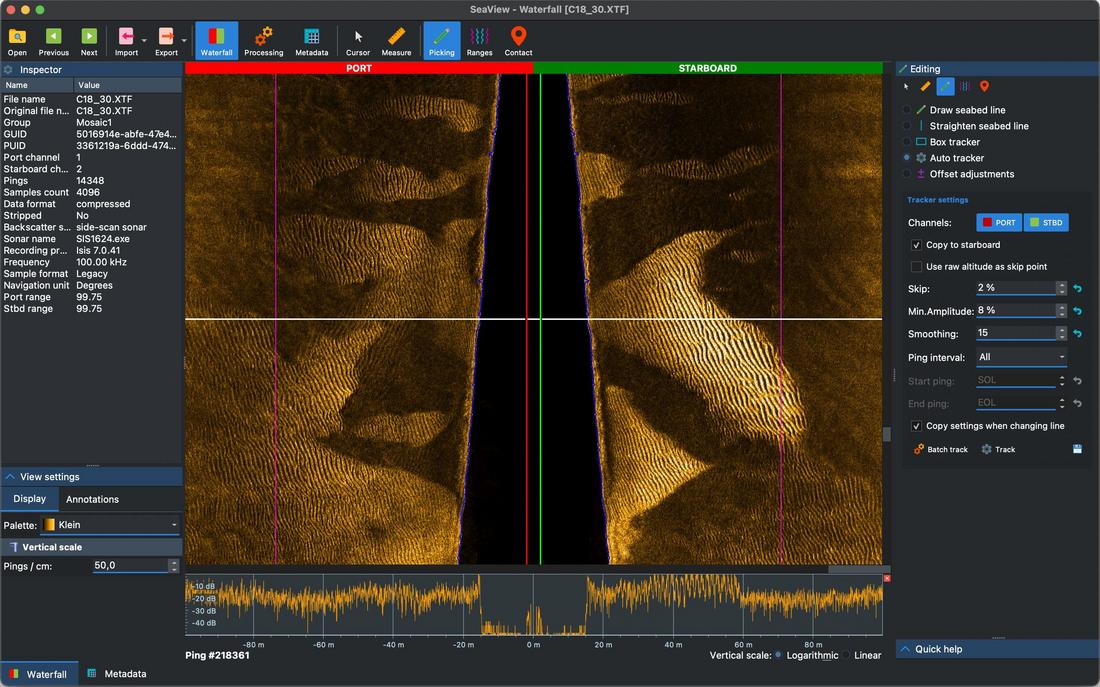
High resolution interactive side scan sonar data processing and interpretation, fast and efficient.
High resolution interactive side scan sonar data processing and interpretation, fast and efficient.
SeaView MOSAIC is the first post-processing and interpretation software for side-scan sonar capable of interactive mosaic editing at full resolution.
The software also features two novel algorithms: automatic normalization (AGC) and de-striping. These filters produce clean and crisp results, delivering high-resolution seafloor imagery with unmatched quality.
SeaView MOSAIC can export mosaic images at centimetre resolution in just a few minutes.
Manage large datasets (tens of TB) and interpretation databases (tens of thousands of contacts) with ease.
SeaView MOSAIC preserves the same resolution of the waterfall view into the final mosaic output.
Fully compatible with industry standards

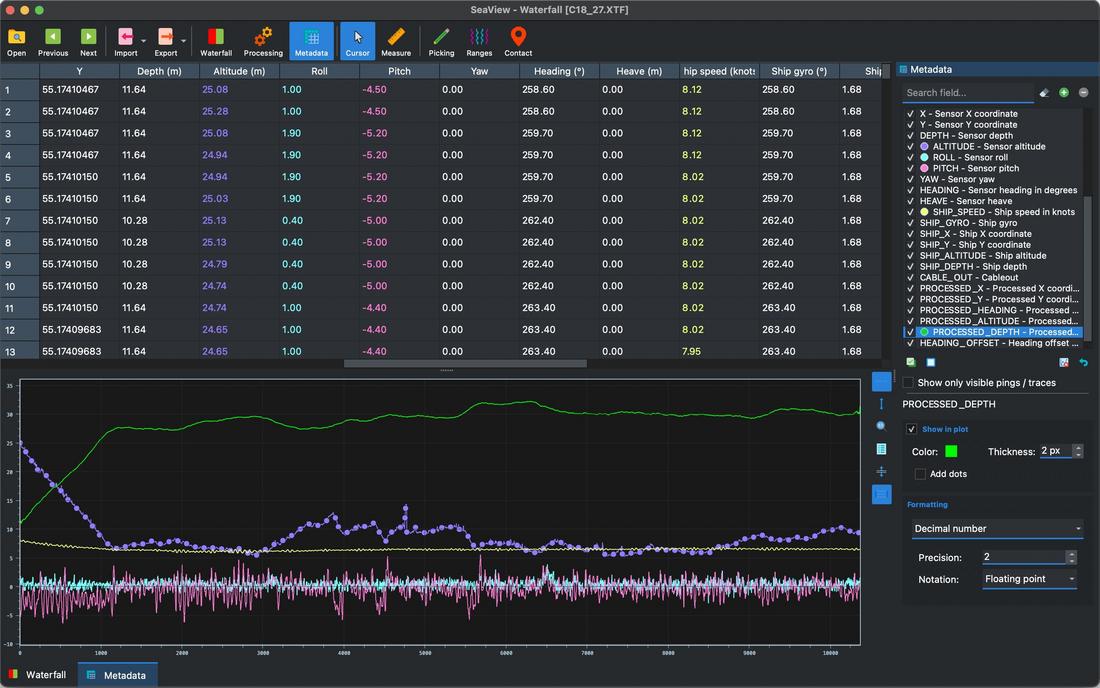
With SeaView you can remove repeated positions, filter heading values and apply layback corrections point by point.
Merging navigation logs into side-scan files recorded from AUVs is easy with our simple navigation import tool.
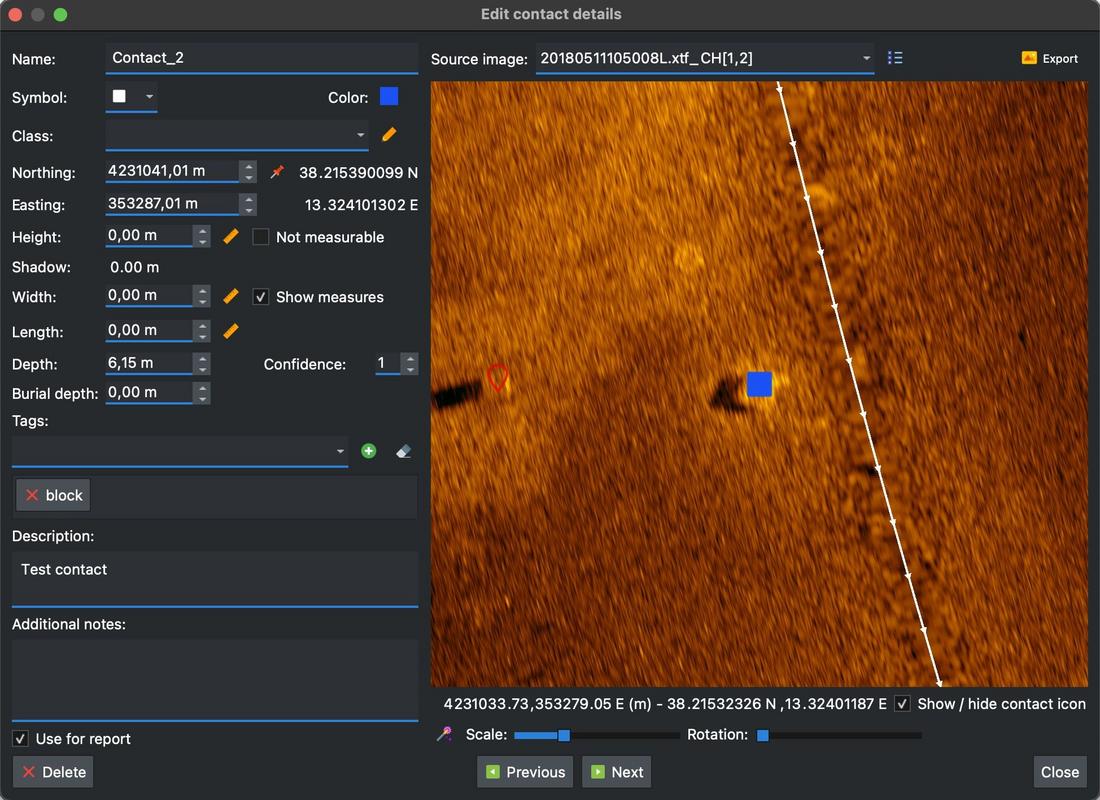
The advanced editing tools allow you to fix complex navigation issues interactively: adjust position and heading or cut ranges by hand.
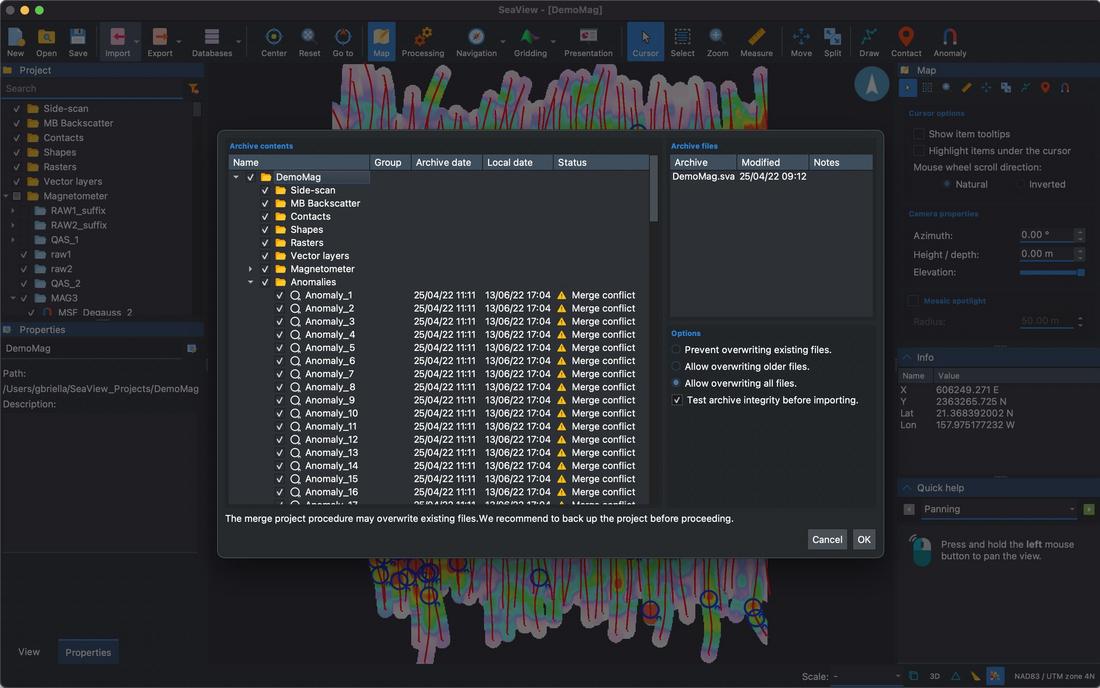
Provide daily updates to your client and onshore offices during operations with our incremental SeaView archives.
Internet speed won't be an issue anymore.
SeaView archives support password protection and digital signatures to detect and prevent data corruption.
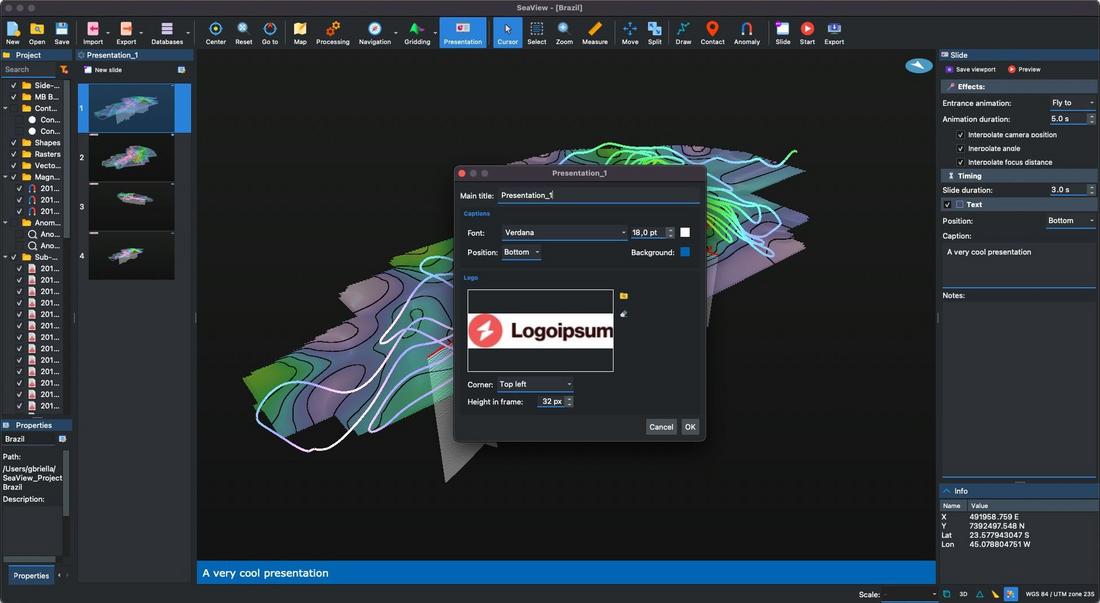
Create video presentations of your project with ease. Define keyframes, animations and captions with a few clicks.
Add your logo in video overlay to emphasize your corporate identity.
Play the presentation preview in SeaView or export it as a video in one click.
Learn more about the other modules in the SeaView suite or contact us for a free trial.
Post-op trans women live fulfilling romantic lives. While some may choose to disclose their transition status to partners, others may not. This is a personal decision based on safety, comfort, and the nature of the relationship.
The term "transgender" was first coined in the 1950s by psychiatrist John Money, who used it to describe individuals who identified with a gender different from their biological sex. However, it wasn't until the 1960s and 1970s that the modern transgender rights movement began to take shape, with the establishment of organizations such as the National Transgender Rights Network.
One of the most significant legal advancements in recent years was the legalization of same-sex marriage in many countries, a victory for the broader LGBTQ community. However, for the transgender community, legal recognition of their gender identity remains a critical issue. In many places, obtaining legal documents that reflect one's true gender identity can be incredibly difficult, involving invasive medical assessments and bureaucratic hurdles.
While the physical changes are visible, the internal shift can be even more significant. Many post-op individuals report a massive reduction in "gender dysphoria"—the distress caused by a mismatch between one's gender identity and physical body. post op shemale
Most surgeons clear patients for sexual activity (penetrative or external) around 8 to 12 weeks post-op, provided the incisions have fully closed.
Aligning the physical body with internal identity significantly mitigates the chronic distress caused by gender dysphoria.
No aspect of post-operative care generates as much discussion, dread, or debate as vaginal dilation. For transgender women who undergo full-depth vaginoplasty, dilation is a lifelong requirement—not optional, not temporary, and not negotiable if the goal is to maintain functional depth. Post-op trans women live fulfilling romantic lives
The tension can be understood through two competing frameworks:
Surgery often resolves the physical "mismatch" that causes intense distress.
Developing a new sexual script takes time and experimentation. It can be helpful to explore solo before involving a partner, learning what feels pleasurable without the pressure of performing for someone else. Vibrators, dildos, and other toys designed for neovaginal anatomy can be useful tools for exploration. The term "transgender" was first coined in the
Research indicates high levels of sexual satisfaction among post-operative individuals: Dilation after gender-affirming surgery
Consider the concept of While gay people used this phrase, trans people expanded its meaning. For a trans person, coming out is not a single event but a lifelong series of negotiations: coming out to a doctor, to an employer, to a TSA agent, to a date. This nuanced understanding of identity as fluid and contextual has softened the rigid boundaries of traditional gay culture, allowing for broader discussions about bisexuality, pansexuality, and asexuality.
Disclaimer: This article is for informational purposes, focusing on respectful terminology and the general experiences of individuals, and is not a substitute for professional medical advice. Share public link
This creates a distinct biopolitics: the trans body is subject to intense medical scrutiny, requiring diagnoses, letters from therapists, and "real-life experience" tests to access care. The struggle is not just for social acceptance but for epistemic authority —the right to define one’s own embodied reality. This struggle has led to a vibrant culture of DIY hormone replacement therapy (HRT), peer-led support networks, and a critical analysis of cisgender doctors’ power, a dimension of activism less central to mainstream LGB politics.